9 Essential Skills Kids Should Learn – Zen Habits

2 Mar

This post originally appears on one of my favorite inspirational sites, Zen Habits.

9 Essential Skills Kids Should Learn

Post written by Leo Babauta.

Kids in today’s school system are not being prepared well for tomorrow’s world.

As someone who went from the corporate world and then the government world to the ever-changing online world, I know how the world of yesterday is rapidly becoming irrelevant. I was trained in the newspaper industry, where we all believed we would be relevant forever — and I now believe will go the way of the horse and buggy.

Unfortunately, I was educated in a school system that believed the world in which it existed would remain essentially the same, with minor changes in fashion. We were trained with a skill set that was based on what jobs were most in demand in the 1980s, not what might happen in the 2000s.

And that kinda makes sense, given that no one could really know what life would be like 20 years from now. Imagine the 1980s, when personal computers were still fairly young, when faxes were the cutting-edge communication technology, when the Internet as we now know it was only the dream of sci-fi writers like William Gibson.

We had no idea what the world had in store for us.

And here’s the thing: we still don’t. We never do. We have never been good at predicting the future, and so raising and educating our kids as if we have any idea what the future will hold is not the smartest notion.

How then to prepare our kids for a world that is unpredictable, unknown? By teaching them to adapt, to deal with change, to be prepared for anything by not preparing them for anything specific.

This requires an entirely different approach to child-rearing and education. It means leaving our old ideas at the door, and reinventing everything.

My drop-dead gorgeous wife Eva (yes, I’m a very lucky man) and I are among those already doing this. We homeschool our kids — more accurately, we unschool them. We are teaching them to learn on their own, without us handing knowledge down to them and testing them on that knowledge.

It is, admittedly, a wild frontier, and most of us who are experimenting with unschooling will admit that we don’t have all the answers, that there is no set of “best practices”. But we also know that we are learning along with our kids, and that not knowing can be a good thing — an opportunity to find out, without relying on established methods that might not be optimal.

I won’t go too far into methods here, as I find them to be less important than ideas. Once you have some interesting ideas to test, you can figure out an unlimited amount of methods, and so my dictating methods would be too restrictive.

Instead, let’s look at a good set of essential skills that I believe children should learn, that will best prepare them for any world of the future. I base these on what I have learned in three different industries, especially the world of online entreprenurship, online publishing, online living … and more importantly, what I have learned about learning and working and living in a world that will never stop changing.

1. Asking questions. What we want most for our kids, as learners, is to be able to learn on their own. To teach themselves anything. Because if they can, then we don’t need to teach them everything — whatever they need to learn in the future, they can do on their own. The first step in learning to teach yourself anything is learning to ask questions. Luckily, kids do this naturally — our hope is to simply encourage it. A great way to do this is by modeling it. When you and your child encounter something new, ask questions, and explore the possible answers with your child. When he does ask questions, reward the child instead of punishing him (you might be surprised how many adults discourage questioning).

2. Solving problems. If a child can solve problems, she can do any job. A new job might be intimidating to any of us, but really it’s just another problem to be solved. A new skill, a new environment, a new need … they’re all simply problems to be solved. Teach your child to solve problems by modeling simple problem solving, then allowing her to do some very easy ones on her own. Don’t immediately solve all your child’s problems — let her fiddle with them and try various possible solutions, and reward such efforts. Eventually, your child will develop confidence in her problem-solving abilities, and then there is nothing she can’t do.

3. Tackling projects. As an online entrepreneur, I know that my work is a series of projects, sometimes related, sometimes small and sometimes large (which are usually a group of smaller projects). I also know that there isn’t a project I can’t tackle, because I’ve done so many of them. This post is a project. Writing a book is a project. Selling the book is another project. Work on projects with your kid, letting him see how it’s done by working with you, then letting him do more and more by himself. As he gains confidence, let him tackle more on his own. Soon, his learning will just be a series of projects that he’s excited about.

4. Finding passion. What drives me is not goals, not discipline, not external motivation, not reward … but passion. When I’m so excited that I can’t stop thinking about something, I will inevitably dive into it fully committed, and most times I’ll complete the project and love doing it. Help your kid find things she’s passionate about — it’s a matter of trying a bunch of things, finding ones that excite her the most, helping her really enjoy them. Don’t discourage any interest — encourage them. Don’t suck the fun out of them either — make them rewarding.

5. Independence. Kids should be taught to increasingly stand on their own. A little at a time, of course. Slowly encourage them to do things on their own. Teach them how to do it, model it, help them do it, help less, then let them make their own mistakes. Give them confidence in themselves by letting them have a bunch of successes, and letting them solve the failures. Once they learn to be independent, they learn that they don’t need a teacher, a parent, or a boss to tell them what to do. They can manage themselves, and be free, and figure out the direction they need to take on their own.

6. Being happy on their own. Too many of us parents coddle our kids, keeping them on a leash, making them rely on our presence for happiness. When the kid grows up, he doesn’t know how to be happy. He must immediately attach to a girlfriend or friends. Failing that, they find happiness in other external things — shopping, food, video games, the Internet. But if a child learns from an early age that he can be happy by himself, playing and reading and imagining, he has one of the most valuable skills there is. Allow your kids to be alone from an early age. Give them privacy, have times (such as the evening) when parents and kids have alone time.

7. Compassion. One of the most essential skills ever. We need this to work well with others, to care for people other than ourselves, to be happy by making others happy. Modeling compassion is the key. Be compassionate to your child at all times, and to others. Show them empathy by asking how they think others might feel, and thinking aloud about how you think others might feel. Demonstrate at every opportunity how to ease the suffering of others when you’re able, how to make others happier with small kindnesses, how that can make you happier in return.

8. Tolerance. Too often we grow up in an insulated area, where people are mostly alike (at least in appearance), and when we come into contact with people who are different, it can be uncomfortable, shocking, fear-inducing. Expose your kids to people of all kinds, from different races to different sexuality to different mental conditions. Show them that not only is it OK to be different, but that differences should be celebrated, and that variety is what makes life so beautiful.

9. Dealing with change. I believe this will be one of the most essential skills as our kids grow up, as the world is always changing and being able to accept the change, to deal with the change, to navigate the flow of change, will be a competitive advantage. This is a skill I’m still learning myself, but I find that it helps me tremendously, especially compared to those who resist and fear change, who set goals and plans and try to rigidly adhere to them as I adapt to the changing landscape. Rigidity is less helpful in a changing environment than flexibility, fluidity, flow. Again, modeling this skill for your child at every opportunity is important, and showing them that changes are OK, that you can adapt, that you can embrace new opportunities that weren’t there before, should be a priority. Life is an adventure, and things will go wrong, turn out differently than you expected, and break whatever plans you made — and that’s part of the excitement of it all.

We can’t give our children a set of data to learn, a career to prepare for, when we don’t know what the future will bring. But we can prepare them to adapt to anything, to learn anything, to solve anything, and in about 20 years, to thank us for it.

Posted: 02.14.2012

50 Ways to Make a Difference – Without Spending a Penny

24 Feb

This post is originally from News Blaze, with thanks to Blair Semenoff aka @Flipbooks for pointing it out on Twitter!

“Act as if what you do makes a difference. It does.” ~ William James

50 Ways to Make a Difference without Spending a Penny

By  

So many people have been laid off from their jobs or have had significant cut backs as to the amount of hours worked (which is the case in my family – my husband is not getting a full 40 hour week and boy does that hurt.) The head says “you can’t afford to give and make a difference” while your heart screams “you can’t afford NOT to give and make a difference!”

So, what is a person that has a desire to give BIG (and I’m talking give “Oprah big”) supposed to do when the money isn’t there? Forget about the “BIG” portion of giving and simply do what you can with what you have.

I truly do love to buy things for the sole purpose of giving them away. When my children see things are obviously not for them, they will immediately ask “Who is that for?” because they know that I normally don’t keep things – I give them away. With my husbands hours being cut back, I’m still going to give or do something daily to make a difference. Here are some of the ways I’ll be Spreading Joy while the finances are extremely tight!

1. Pass on a book that you’ve enjoyed. Write a note in the front saying what you enjoyed and instruct the next “owner” to pass it on after they have read it.

2. Instead of “googling” when searching – use Good Search and these guys will make a donation to Spreading Joy. (Use the link above that will take you there)

3. Donate gently used dvd’s, vhs tapes and video games – I’m sure Spreading Joy can find those that will love to use them.

4. Be Positive today – with the depressing economy, bills falling behind – this can really be tough, but it will encourage those around you and in the process bring joy to yourself.

5. Donate expired coupons to the troops overseas.

6. Thank a Police Officer today (hopefully NOT while you are getting a ticket!)

7. Give time to your spouse – do something together, visit a park, bookstore etc.

8. Donate household items to Spreading Joy to pass along to others in need.

9. Hold a yard sale and donate half of the proceeds.

10. Taking the 30 day challenge? Tell me about it here.

11. Baby sit for a friend/neighbor for free.

12. Serve a meal at a homeless shelter or women’s shelter

13. Encourage our soldiers. Send a free letter here.

14. Mentor someone – have you started your own business? Are you an expert in a certain field? Share that talent!

15. Donate unused craft items to a daycare or elementary school.

16. Turn in those Box Tops for Education – found on Pillsbury items. Keep these, even if you don’t have kids. There is a school near you.

17. Smile at everyone you come in contact with today.

18. Offer to let someone ahead of you in line.

19. Volunteer in a Nursing home.

20. Donate blood.

21. Donate Plasma – and get paid for it.

22. Organize a book drive – get your neighborhood to donate gently used books. Pass out a flier asking for books – giving instructions to leave them in a bag on the porch letting them know you will pick them up the next week.

23. Turn in your Campbell’s Soup Labels

24. Have a family meal at the table – talk about current events in the family.

25. Give a handwritten note of encouragement.

26. Start a Gratitude Journal – leave it out for others to see as they visit you.

27. Donate gently used magazines to a nursing home

28. <-this has been missing for a year and a half, and NO one has said a thing to me about it. LOLOLOL just realized today 10.10.10 hahhaha. I LOVE it!, Leaving it and thank goodness for bonuses.

29. Call someone who is not feeling well and talk until you make them laugh

30. Volunteer at an animal shelter – play with the animals.

31. Visit with the elderly or someone who can no longer get out as much as they’d like.

32. Pick flowers from your garden and give away.

33. Volunteer for your local church.

34. Give a thank you card to someone who has made a difference in your life.

35. Run errands for a new Mom (or someone that is sick)

36. Pick up trash you see as you are walking on your route.

37. Volunteer to read to a class at your local Elementary school

38. Write a thank you note to your child’s teacher.

39. Seek out a store manager and let them know what an excellent employee your grocery bagger was. (or cashier).

40. Donate gently used clothing.

41. Volunteer at a hospital.

42. Donate your “free items” from the buy one get one free – to a local food pantry.

43. Leave a note hanging in or on your mailbox thanking your mail carrier for always being so dependable!

44. Speak to the elderly you pass – look them in the eye and smile. We tend to forget about the great individuals who paved the way for us.

45. Say Please and Thank you – show sincere appreciation.

46. Go to Church. There are so many churches. When people get discouraged, that is one of the first places they’ll go. You can encourage so many people this way!

47. Make extra chili and cornbread muffins – and take to a neighbor.

48. Bake homemade cookies with items you have in your pantry and share with neighborhood children.

49. Donate extra blankets to a homeless shelter.

50. Give a basket of home grown veggies.

51. (a bonus!) Host a game night with your family – eat dessert first! Turn off cell phones (ok – kids, you can leave yours on….) but spend time laughing together playing games!
There you have it – 50 ways to make a difference without spending a single penny.

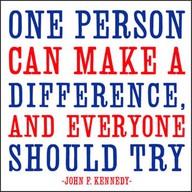
Everyone can make a difference! The real question is – will you?

Follow Amy on Twitter @CharityIdeas, Like GoodPlusTech on Facebook, and join in the fun on Pinterest!

Pinterest: 101+ #Infographics on Social Media, Job Search, SEO, and Mobile – Plus #Quotes

1 Feb

Follow Me on Pinterest

Image from Mashable

Like so many of us, I am a bit obsessed with infographics.  They lay out complex statistics, timelines, and interesting facts in a simple, visually-appealling way.  With a quick glance, it all makes sense, whatever the topic may be!

Pinterest, the latest social media network taking the world by storm, is all about visuals – “pinning” your favorite images – photos, graphics, infographics – onto boards you share with other like-minded people with similar interests.  It’s a bit like creating Lists, or Groups, but it’s all about the visual element.

This creates dizzying opportunities to share great infographics, and I’ve found it incredibly useful for keeping some of the best ones I come across filed together in one place for easy access.

Here are some favorites!  Check back often – new ones are constantly being added.  And please connect so I can see your boards too!

For all the latest infographics, along with fun Geeky things, positive quotes, and more, please join me in sharing on Pinterest!

Follow Me on Pinterest

You can join Pinterest here or tweet me @CharityIdeas for an invite!

Follow Me on Pinterest

How To Say “Thank You” in 465 Languages

25 Jan

green bar

Thank you Thank you

another green barThis post originally appears at http://users.elite.net/runner/jennifers/thankyou.htm – Thank you Jennifer!

Home


and another green bar

green bar

 
Abenaki (Maine USA, Montreal Canada) Wliwni ni Abenaki (Maine USA, Montreal Canada) Wliwni Abenaki (Maine USA, Montreal Canada) Oliwni Achí (Baja Verapaz Guatemala) Mantiox chawe Achuar (Ecuador, Peru) Maketai Achuar (Ecuador, Peru) Yuuminsame [Adare, see Harari] Adyghe (Middle East) Wapsaw Adyghe (Middle East) Thawerapsaw Afar (Ethiopia, Eritrea, Djibouti) Gadda ge Afrikaans (Southern Africa) Dankie Afrikaans (Southern Africa) [very much] Baie dankie Aguacateco (Huehuetenango Guatemala) Ntyox teru' Aguaruna (Peru) Seé Ahtna (Alaska) Tsin'aen Ainu [Saru dialect] (Japan) [formal] Iyayraykere Ainu [Saru dialect] (Japan) [informal] Hioy'oy [Akan, see Asante and Fante] Akha (China, Southeast Asia) Gui lah hui te ha Akha (China, Southeast Asia) Gui lah hui mi a de Akha (China, Southeast Asia) Gui lah hui dui dui ma Akha (Thailand) Ghu long khu me-ah Akha (Chiang Rai Northern Thailand) Gu lah hu ma de Aklanon (Philippines) Saeamat kimo Alabamu (Texas USA) Alíila Alabamu (Texas USA) Kano Alabamu (Texas USA) Kanobi Alabamu (Texas USA) [informal] Tá Alabamu (Texas USA) [very much] Alíilamoolo Alabamu (Texas USA) [very much] Kanoomoolo Alabamu (Texas USA) [very much] Kanopalammoolo Albanian (Albania, Yugoslavia) Ju falem nderit Albanian (Albania, Yugoslavia) Faleminderit Albanian (Albania, Yugoslavia) [very much] Faleminderit shumë [Aleut, see Unagan] Altai (Russia) Bïyan bolzïn [Alutiiq, see Suqpiaq] Ambo (Angola, Namibia) Ondapandula unene Amharic (Ethiopia, Israel, Egypt) Amesegënallô Amharic (Ethiopia, Israel, Egypt) Amesegunalhun Amharic (Ethiopia, Israel, Egypt) [very] Betam amesegënallô Amuzgo (Mexico) Quialva' [Anishinaabe, see Ojibwe] Apache (Arizona USA) Ashoge Apache (Arizona USA) [formal] Áshood Apache [Jicarilla] (Arizona USA) Ihe edn Apache (Arizona USA) [informal] Ahíyi'ee Apalachicola (Florida USA) Mvto Apsaaloke (United States) Ahoo Apsaaloke (United States) Ahó Apsaaloke (United States) [very much] Ahókacira Arabic (Middle East, North Africa) Shukran Arabic (Middle East, North Africa) [very] Shukran gazilan Arabic (Syria) Mamnuun Arabic (North Africa) SaHHa Arabic (Morocco) [lit. Praise to Allah] El-hamdullah Arabic (Morocco) Barak llahu fik Aragonese (Aragon Spain) Grazias [Araucano, see Mapuche] [Arawak, see Taino] Armenian (Armenia, Russia, Middle East) Shnorhagallem Armenian (Armenia, Russia, Middle East) Shterakravetsun Armenian [Western] (Armenia) Shenorhagal em Armenian [Western] (Armenia) [very much] Shad shenorhagal em Armenian [Eastern] (Armenia) Sh'norhakal em Armenian [Eastern] (Armenia) Shnorhakalutjun Armenian (Armenia) [colloquial] Merci Aromunian (Greece, Balkans) Multsãnjescu Asante (Ghana) Meda w'asé Asante (Ghana) Meda wo ase Asante (Ghana) [very much] Meda wo ase paa paa paa Assyrian [Eastern Assyrian] [by man] Basima Assyrian [Eastern Assyrian] [by woman] Basimta Assyrian [Eastern Assyrian] [by plural] Basimeh Assyrian [Eastern Assyrian] Mesi Assyrian [Eastern Assyrian] [very much] Hawit basima chim raba Assyrian [Western Assyrian] (Assyria) Taudi Asturian (Spain) Gracies Atayal (Taiwan) Muhuway su Atayal (Taiwan) Mhuway su' Atayal (Taiwan) Mhuway su' balay Atayal (Taiwan) [informal] Hway Ateso (Uganda) Eyalama [Aukan, see Ndjuka] Aymará (Bolivia, Peru, Chile) Juspajaraña Aymará (Bolivia, Peru, Chile) Juspajarkätam Aymará (Bolivia, Peru, Chile) Juspaxar Aymará (Bolivia, Peru, Chile) Yuspagara Aymará (Bolivia, Peru, Chile) Dios pagarakátam Aymará (Tihuanacu Bolivia) Yusulupay Aymará (Lake Titicaca Bolivia) [rare] Yuspagarkàtam Aymará (Lake Titicaca Bolivia) [rare] Yuspagaràtam Azerbaijani [Azeri] (Azerbaijan, Iran) Sayol Azerbaijani (Azerbaijan, Iran) Sag olun Azerbaijani (Azerbaijan, Iran) Tæshækkür elæyiræm Azerbaijani (Azerbaijan, Iran) [very much] Chokh sag olun [Azeri, see Azerbaijani] [Aztec, see Náhuatl] 
Bakweri (Cameroon) Masuma Bakweri (Cameroon) Na somi saisai Balinese (Bali) [Halus speech] Tiang matur suksama Balinese (Bali) Matu suksama Balinese (Bali) Matur suksme Balochi (Pakistan) Tai merbani Bambara (Mali) [singular] I ni ce Bambara (Mali) [plural] Aw ni ce [Bangla, see Bengali] [Basa Sunda, see Sundanese] Bashkir (Russia) Rekhmet Basque (Spain, France) Eskerrik asko Basque (Spain, France) Mila esker Basque [Navarrese] (Spain) Esker mila Basque [Navarrese] (Spain) Esker aunitz Basque [Roncalais] (Spain) Eskerrik anitx Batak (Indonesia, Sumatra, Philippines) Mauliate [Bavarian, see German (Bavaria)] Belorussian (Belarus) Dziakuju Belorussian (Belarus) Dziákuj Bemba (Zambia, Congo-Brazaville) Tsikomo Bemba (Zambia, Congo-Brazaville) Twa to te la Bengali (India, Bangladesh) Dhanyabad Bengali (India, Bangladesh) [very much] Ozasro dhanyabad [Bisayan, see Visayan] Bislama (Vanuatu) Tangkiu Bislama (Vanuatu) Tangkyu Bislama (Vanuatu) [very much] Tangkiu tumas Bislama (Vanuatu) [informal] Ta Bisu (Xhina, Thailand, Myanmar) Ang hmèn yá Blackfoot (Alberta Canada, Montana USA) Nitsíniiyi'taki Boboda (Burkina Faso, Mali) Baraka [Bobo Fing, see Boboda] Bosnian (Bosnia and Hercegovina) Hvala Bosnian (Bosnia and Hercegovina) [respect] Hvala vam Breton (Brittany France) Trugarez Breton (Brittany France) [formal] Trugarez deoc'h Breton (Brittany France) [informal] Trugarez dit Breton (Brittany France) [informal] Mersi dit Breton (Brittany France) Ho trugarekaat Brigidian (western Ireland) Boche' Bru (Vietnam) Sa-aun Bukusu (Mt. Elgon Kenya) Nasima Bukusu (Mt. Elgon Kenya) Orio muno Bukusu (Mt. Elgon Kenya) Webaale Bukusu (Mt. Elgon Kenya) Wanyala Bulgarian (Bulgaria) Blagodarya Bulgarian (Bulgaria) Mersi Bulgarian (Bulgaria) [thank you very much] Mnogo blagodarya Bulu (Cameroon) Akeva Bunun (Taiwan) Uninang Bura (Nigeria) Maraba Burmese (Myanmar) Chezu ba Burmese (Myanmar) Chezu tinbade Burmese (Myanmar) [thank you very much] Amyaji chezu tinbade Burushashki (Northern Pakistan) Juu na Burushashki (Northern Pakistan) Juu goor maniSh Burushashki (Northern Pakistan) Shukria Burushashki (Northern Pakistan) Bakhshish [Byelorussian, see Belorussian] 
Cahuila (United States) 'Ácha-ma Cakchikel (Mexico) Matiosh chawe [Cambodian, see Khmer] Camuno (Italy) Gràsce Cantonese [Chinese] (China) [for gift] Doh je Cantonese [Chinese] (China) [for service] M goi Cantonese [Chinese] [in advance- for gift] Doh je sin Cantonese [Chinese] [in advance- service] M goi nei sin Cassubian (Northweast Poland) Dzãkujã Cassubian (Northweast Poland) [informal] Dzãczi Cassubian (Northweast Poland) [old] Bóg zaplac Catalan (Andorra, Spain, France) Gràcies Catalan (Andorra, Spain, France) [very] Moltes gràcies Catalan (Andorra, Spain, France) Mercès [Cebuano, see Visayan] Cham (Southeast Asia) Uan tabuan Chamorro (Guam) Si yuus maasi Chamorro (Guam) Si yu'os ma'ase' Chatino (Tataltepec Mexico) Ngua tsaa xlay'be hii Chechen (North Caucasus) Barkal Chechen (North Caucasus) Barkalla Cherokee [western] (United States) Wado
Cherokee [eastern] (United States) Sgi Cheyenne (United States) Néá'eshe Cheyenne (United States) [plural] Néá'êshemeno Cheyenne (United States) [intertribal] Hahóo Chichewa (South Africa, Malawi) Zikomo Chichewa (South Africa, Malawi)[very much] Zikomo kwambiri Chichewa (South Africa, Malawi)[very much] Zikomo kwambili Chilomwe (Malawi) Zikomo Chilomwe (Malawi) [thank you very much] Zikomo kwambili [Chinese, see dialects: Cantonese, Hoi San, Hokkien and Mandarin] Chingoni (Malawi) Zikomo Chinook Jargon (North America) Masiem Chinook Jargon (North America) Mahsie Chinyanja (Zambia, Mozambique) Zikomo Chinyanja (Zambia, Mozambique) [very much] Zikomo kwambiri [Chippewa, see Ojibwe] Chishona (Zimbabwe) [to one person] Ndatenda Chishona (Zimbabwe) [to one person] Ndinotenda Chishona (Zimbabwe) [to a group] Tatenda Chishona (Zimbabwe) [to a group] Tinotenda Chishona (Zimbabwe) [for doing a task] Mazviita Chishona (Zimbabwe) [for doing a task] Maita basa Chishona (Zimbabwe) [for doing a task] Maita zvenyu Chitonga (Malawi) Yewo Chitonga (Malawi) [very much] Yewo chemene Chitonga (Zambia) Twalumba Chitumbuka (North Malawi) Yewo Chitumbuka (North Malawi) [very much] Yewo chemene Chitumbuka (North Malawi) [very much] Yewo chomene Chiyao (South Malawi) Sikomo Chiyao (South Malawi) Asante Chiyao (South Malawi)[thank you very much] Sikomo kwejinji Chiyao (South Malawi)[thank you very much] Asante sana Choctaw (Oklahoma United States) Yokoke Choctaw (Oklahoma United States) Yakoke Chol (Mexico) Wokolix awölö Chol (Mexico) Wokol a wala Chortí (Guatemala) Ch'ahp'ei'x ta'p'a Chuj (Guatemala) Yuj wal dios Chuukese (Micronesia) Kili so Chuukese (Micronesia) [very much] Kili so chapur Chuukese (Chuuk Lagoon Micronesia) Kini so Chuukese (Chuuk Lagoon Micronesia) [very] Kini so chapur Chuvash (Russia) Tavtapuch Chuvash (Russia) Tav Chuvash (Russia) Tavssi [Circassian, see Adyghe] Coeur d'Alene (Idaho United States) Limlemtsch Comanche (North America) Ura Comanche (North America) Urako Comori (Comoros) Marahaba Comori (Comoros) Marahabha [Conibo, see Shipibo] Cornish [middle/unified] (Great Britain) Dew re-dallo dheugh-why Cornish [middle/unified] (Great Britain) Durdala dywy Cornish [modern] (Great Britain) Durdaladawhy Cornish [modern] (Great Britain) Gwra'massi Cornish [modern] (Great Brit.) [very much] Merastawhy Cornish [Kemmyn] (Great Britain) Meur ras Cornish (Great Britain) Meur ras dhis Corsican (France) Grazia Corsican (France) À ringraziè vi Corsican (France) À ringraziavvi Cree (Canada) (to one person) Kinanâskomitin Cree (Canada) (to more than one person) Kinanâskomitinawaw Cree (Canada) E'kosi Cree (Canada) Têniki Cree (Canada) Mikwec Cree (Canada) Nunasko'mowin keya Cree [Ouje Bougoumou] (James Bay Canada) Mîkwêc Cree [Plains Cree] (Canada) Kitatamihin [Creek, see Muskogee] Creole (West Indies) Mese [Créole (Seychelles), see Seselwa] Crioulo (Guinea-Bissau) Obrigado Croatian (Bosnia, Yugoslavia) Hvala Croatian (Bosnia, Yugoslavia) [very much] Puno hvala Croatian (Bosnia, Yugoslavia) [very much] Hvala lijepa [Crow, see Apsaaloke] Czech (Czech Republic) Dêkuji Czech (Czech Republic) [informal] Dik' 
Dagaare (Burkina Faso, Ghana) Barka Dagaare (Burkina Faso, Ghana) Puorra bebe la Dakota (North America) Pidamayado Dakota (North America) [by male] Pidamaya yedo Dakota (North America) [by female] Pidamaya ye
Dani, Grand Valley Baliem (Papua) Wah wah wah
Dani, Western (Papua New Guinea) Kaonak Danish (Denmark, Greenland) Tak Danish (Denmark, Greenland) [very much] Mange tak Dega (Vietnam) Lac jak Dega (Vietnam) [very much] Lac jak ko ih lu Deg Xinag (Alaska) Dogedinh Deg Xinag (Alaska) Xisrigidisddhinh Dekelh [Carrier] (Canada) Musi Dekelh [Carrier] (Canada) [very much] Musicho Dekelh [Lheidli] (Canada) [by one to one] Snachailya Dekelh [Lheidli] (Canada) [by one to 2+] Snachalhuya Dekelh [Lheidli] (Canada) [by 2 to 1] Nahnachailya Dekelh [Lheidli] (Canada) [by 2 to 2+] Nahnachalhuya Dekelh [Lheidli] (Canada) [by 3+ to 1] Nenachailya Dekelh [Lheidli] (Canada) [by 3+ to 2+] Nenachalhuya Dekelh [Nak'albun] (Canada) [by 1 to 1] Snachailya Dekelh [Nak'albun] (Canada) [by 1 to 2+] Snachalhya Dekelh [Nak'albun] (Canada) [by 2+ to 1] Nenachailya Dekelh [Nak'albun] (Canada) [by 2+ to 2+] Nenachalhya Dekelh [Saik'uz] (Canada) [by one to one] Snachailya Dekelh [Saik'uz] (Canada) [by one to 2+] Snachalhuya Dekelh [Saik'uz] (Canada) [by 2 to 1] Nahnachailya Dekelh [Saik'uz] (Canada) [by 2 to 2+] Nahnachalhuya Dekelh [Saik'uz] (Canada) [by 3+ to 1] Nenachailya Dekelh [Saik'uz] (Canada) [by 3+ to 2+] Nenachalhuya [Delaware, see Lenape] Dhivehi (Maldives) Shukuriyyaa Dhivehi (Maldives) [very much] Varah bodah shukriyyaa
Dhopadhola (eastern Uganda) Afwoyo swa
Dhopadhola (eastern Uganda) Walwa swa Dinka (Sudan) Yin acaa muoc Diola (Senegal) Mersi Diola (Senegal) Emitekati Domari (Egypt) Daarim
Duna (Papua New Guinea) Tirja Dusun (Sabah Malaysia) Pounsikou Dutch (Netherlands, Belgium) [polite] Dank u Dutch (Netherlands, Belgium) [informal] Dank je Dutch (Netherlands, Belgium) [polite] Dank u wel Dutch (Netherlands, Belgium) [informal] Dank je wel Dutch (Netherlands) Bedankt [Dyerma, see Zarma] Dyula [Jula] (Cote d'Ivoire, Burkina Faso) I ni che Dzongkha (Bhutan) Kadinche Dzongkha (Bhutan) Kadinche la 
Edo (Nigeria) Ù rú èsé Edolo (Papua New Guinea) Neseke
Egyptian (ancient Egypt) [to a man] Dua Netjer en ek Egyptian (ancient Egypt) [to a woman] Dua Netjer en etj Ekegusii (Kenya) Imbuya mono Enga (Papua New Guinea) Tángeyoo English (America, Australia, UK, New Zea.) Thank you English (America) [informal] Thanks English (New Zealand, Midland England) Cheers English [Strine dialect] (Australia) Thenks English [Strine dialect] (Australia) Enks English [old English] (old Britain)[sing.] Ic þancas do English [old English] (old Britain)[sing.] Ic þancie þe English [old English] (old Britain)[plur.] Ic sæcge eow þancas English [Texan] (Texas United States) Thank ya
Ese Ejja (Bolivia, Peru) Jamayá acuá [Eskimo, see Inuktitut and Inuttut] Esperanto (international use) Dankon Esperanto (international use) Dankon al vi Estonian (Estonia) Tänan Estonian (Estonia) Aitäh Estonian (Estonia) [to a man] Ole meheks Estonian (Harjumaa Estonia) Aitih Estonian (Viru-Nigula Estonia) Aiteh Estonian (Vastseliina Estonia) Tehnän Eton (Cameroon) Abumgang Eton (Cameroon) Abuimgang Ewe (Ghana, Togo) Mudo Ewe (Ghana, Togo) Akpe Ewe (Ghana, Togo) Mudu, epenau Ewondo (Cameroon) Abui ngan Eyak (Alaska) 'Awa'ahdah 
Fang (Gabon) Abora Fante (Ghana, Burkina Faso) Medagse Fante (Ghana, Burkina Faso) Medawagse Faroese (Faroe Islands) Takk Faroese (Faroe Islands) Takk fyri [Filipino, see Tagalog and Visayan] Fijian (Fiji) Vinaka Fijian (Fiji) [very much] Vinaka vakalevu Fijian (Fiji) [very much] Vinaka sara vakalevu Finnish (Finland) Kiitos Finnish (Finland) Kiitoksia Finnish (Finland) [formal] Paljon kiitoksia Finnish (Finland) [informal] Kiitti [Flemish, see Dutch (Belgium)]
Foe (Papua New Guinea) Kije Fon (Benin, Togo) Ablo Fon (Benin, Togo) A houanu Fon (Benin, Togo) [very much] A houanu ka ka Fon (Benin, Togo) [formal] E na ce nu we French (France, Belgium, Africa, Canada) Merci French (France, Belgium, Africa, Canada) Merci beaucoup Frisian [Westerlauwer] (Netherlands) Tanke Frisian [Westerlauwer] (Netherlands) Tanke wol Frisian [Westerlauwer] (Netherlands) Tankje Frisian [Westerlauwer] (Netherlands) Tankje wol Friulian (northern Italy) Graciis Fulani (West Africa) Jaaraama Fulani (West Africa) [to one person] A jaaraama Fulani (West Africa) [to several people] On jaaraama Futuna (Wallis and Futuna) Malo Futuna Aniwa (Vanuatu) Fafetai Futuna Aniwa (Vanuatu) Jinisa 
Ga (Ghana) Ogiwadong Gaam (Eastern Sudan) Áwdém áalò Gaam (Eastern Sudan) Àayyá Gagauz (Moldova) Saa olsun Galician (Spain) Grazas Gallo (France) Mèrczi Garifuna (Guatemala) Téngi nían bún Gascon (France) Merci Georgian [Kartuli] (Georgia/former USSR) Mahd-lob Georgian [Kartuli] (Georgia/former USSR) Gmadlob Georgian (Georgia) [to more than 1 person] Mahd-lobt Georgian (Georgia) [to more than 1 person] Gmadlobt German (Central Europe) Danke German (Central Europe) Danke schön German (Central Europe) Vielen Dank German (Central Europe) [informal] Dank dir German (Austria) [in spoken language] Dankschen German (Bavaria) [in spoken language] Danksche German (Switzerland) [in spoken language] Dank schön German (Zurich Switzerland) [spoken] Dankë German (Zurich Switzerland) [spoken] Dank schön German (Zurich Switzerland) Merci German (Zurich Switzerland) [very much] Merci villmahl Gong (Thailand) Ang kêun Greek [Hellenic] (Greece, Cyprus) Efcharisto Greek (Greece, Cyprus) Sas efharisto Greek (Greece, Cyprus) [very much] Efharisto poli Greek (Greece, Cyprus) [very much] Sas efharisto poli Griko (Salento Italy) Kali' sso'rta-ssu Guarani (Paraguay, Brazil, Bolivia) Aguije Guarani (Paraguay) Aguyje Guarani [Mbyá] (Brazil) Ha'evete Gujarati (India, Bangladesh, S. Africa) Aabhar Gujarati (Gujerat State, India) Dhanyawaad Gumatj (Australia) Ga' Gurrangung (Australia) Yaddung jee Gurung (Nepal) [to a child] Syaabaas Gurung (Nepal) [to an equal or superior] Dxanyaa'baad Gwich'in (Alaska) Mahsi' Gwich'in (Alaska) Mahsi' choo [Gypsy, see Romani] G/wi [San] (Kalahari Africa) !kaen se !tau G//ana [San] (Kalahari Africa) Kaen se !tau 
Haida (Alaska) Háw'aa [Hal-Pulaar, see Fulani] Hän (Alaska) Mahsi' Harari [Adare] (Ethiopia) Gaza yagabzal yushen Harari [Adare] (Ethiopia) Alla magah Hassaniya (Mauratania) Shukram Hausa (West Africa) Nagode Hawaiian (Hawaii) Mahalo Hawaiian (Hawaii) [very much] Mahalo nui loa Hebrew (Israel) Toda Hebrew (Israel) [very much] Toda raba [Hellenic, see Greek] Helong (Timor, Semau Island Indonesia) Nodan mamomamo Hindi (India, East Asia, Suriname) Dhanyawaad Hiri Motu (Papua New Guinea) Tanikiu Hmong Daw (Laos, Thailand) Ua tsaug Hmong Daw (Laos, Thailand) Ua koj tsaug Hmong Daw (Laos, Thailand) [very much] Ua tsaug ntau Hmong Daw (Laos, Thailand) [very much] Ua koj tsaug ntau Hmong Du (Vietnam) Ô chò Hmong Njua (Laos, Thailand) Ua tsaug Hmong Njua (Laos, Thailand) [very much] Ua tsaug ntau ntau Hmong Njua (Northern Thailand) Zoo sab muab Hñähñu (Mexico) Jamadi Hoi San (China) U de Hokkien [Chinese] (Singapore, Indonesia) Gum xia Hopi (North America) [said by men] Kwakwhá Hopi (North America) [said by women] Askwali Hopi (North America) [said by women] Hevé Hopi (North America) [very much, by men] Is kwakwhá Hopi (North America) [very much, by women] Is askwali Houailou (New Caledonia) Ei Huambisa (Peru) See Huambisa (Peru) Maake Huaorani (Ecuador) Ewa ra Huastec (Mexico) Jalbinchi yaan Huastec (Mexico) C'ac'naamal yaan Huave (Mexico) Dios mangüy ic Huichol (Nayarit and Jalisco Mexico) Pan parius Huichol (Nayarit and Jalisco Mexico) Pam parios Hungarian [Magyar] (Hungary) Köszönöm Hungarian [Magyar] (Hungary) Köszi Hungarian [Magyar] (Hungary) [very much] Nagyon köszönöm Hungarian [Magyar] (Hungary) [very much] Köszönöm szépen Huron [Wyandotte] (USA, Canada) Yontonwe Huron [Wyandotte] (USA, Canada) Ti-jiawen 
[Ibo, see Igbo] Icelandic (Iceland) Takk Icelandic (Iceland) Takk fyrir Icetot (Uganda) Ilakasugotia Ido (international use) Danko Igbo [Ibo] (Nigeria) Imena Igbo [Ibo] (Nigeria) Imela Igbo [Ibo] (Nigeria) Yâuwá Igbo [Ibo] (Nigeria) Dalu [Ik, see Icetot] Ilokano (Philippines) Dios ti agngina Ilokano (Philippines) Agyamanac Ilokano (Philippines) [very much] Agyamanac unay Ilonggo (Philippines) Salamat Ilonggo (Philippines) Daghang salamat Indonesian (Indonesia) [formal] Terima kasih Indonesian (Indonesia) [informal] Makasih Indonesian (Indonesia) [very informal] Thanks ya Indonesian (Jakarta Indonesia) [slang] Trims Ingush (Russia) Barkal Ingush (Russia) [in spoken language] Barkl Ingush (Russia) [lit. thanks be to you] Barkal xalda hwa Ingush (Russia) [thank you very much] Saagha xalda hwa Ingush (Russia) [thank you very much] Deala reaza xalda hwuona Innu (Labrador and Quebec Canada) Tshinashkumitan Interlingua (constructed) Gratias Inuktitut (Baffin Island Canada) Qujannamiik Inuktitut (Canada) Qujanaq Inuktitut (Canada) [very much] Qujanarssuaq Inuktitut (Canada) Mutna Inuktitut (Canada) Nakorami Inuktitut (Alaska) Taikkuu Inuktitut (Barrow Alaska) Quyanaq Inuktitut (Barrow Alaska) [very much] Quyanaqpaq Inuktitut (Noatak Alaska) Taku [Inupiaq, see Inuktitut] Inuttut [Greenlandic] (Greenland) Qujanaq Ioway (United States) [by men] Aho Ioway (United States) [by women] Aha Irish (Ireland and Britain) [to one] Go raibh maith agat Irish (Ireland) [to more than one] Go raibh maith agaibh Irish (Ireland and Britain) Go raibh maith 'ad Irish (Ireland and Britain) [to one] Go raibh mile maith agat Irish (Ireland) [to more than one] Go raibh mile maith agaibh Isamurongen (Batanes Philippines) Dios mamajes dinio Italian (Central Europe, E Africa) Grazie Itbayaten (Batanes Philippines) Ah Dios mamexes Itbayaten (Batanes Philippines) Ah Dios mamexes dimo Itbayaten (Batanes Philippines) Dios mamexes dimo Itbayaten (Batanes Philippines)[very much] Rakux u kapamaxemaxes namen dimo Ivasayen (Batanes Philippines) Dios mamajes dimo Ivasayen (Batanes Philippines) [very much] Mamajemajes kami dimo su racuj Itzaj [Itzá Maya] (Guatemala) D'yos b'ot'ik ti'ij Itzaj [Itzá Maya] (Guatemala) D'yos b'o'tik Itzaj [Itzá Maya] (Guatemala) D'yos b'o'tikil Ixcatec (Mexico) Skanaa-ri Ixil (Guatemala) Ta'n tiz 
Jacalteca (Guatemala) Nich'an tiox Japanese (Japan) Arigato Japanese (Japan) Domo arigato Japanese (Japan) [act of thanks not ended] Arigato gozaimasu Japanese (Japan) [act of thanks has ended] Arigato gozaimashita Japanese [Izumo] (Japan) Dan san Japanese [Kansai Ben](Kansai, Osaka Japan) Ookini Japanese [Kansai Ben](Kansai, Osaka Japan) Ookini arigatou Japanese [Kumamoto] (Japan) Kora doshi Japanese [Kyo Kotoba] (Kyoto Japan) Ohkini Japanese [Shodoshima] (Shodoshima Japan) Ookini Japanese [Tohoku Ben] (northeast Japan) Oshoshina Japanese [Uchinaaguchi] (Okinawa Japan) Nihwee-deebiru Jaqaru [Jacaru] (South America) Jilatyi Javanese (Indonesia) Matur nuwun Javanese (Indonesia) Suwun Jèrriais (Jersey) Mèrci bein des fais [Jula, see Dyula] 
Kabuverdianu (Cape Verde) Obrigadu Kabyle (Algeria) Tamemmirt Kachin (Burma) Chyeju kaba sai Kachin (Burma) Chyeju gaba sai Kadazan (Sabah Malaysia) Kotohuadan Kala Kawaw Ya (Australia) Eso Kalmyk (Russia) Khanganav Kanienkehaka [Mohawk] (Canada, USA) Niawen Kanjobal [Q'anjob'al] (Guatemala) Yujwal Dios Kanjobal [Q'anjob'al] (Guatemala) Yuj wal tyoxh Kanjobal [Q'anjob'al] (Guatemala) Yuj wal ch'an tyoxh
Kankanaey (Philippines) Salamat Kannada (India) Dhanyawaadagalu Kannada (India) Vandane Kannada (India) Vandanegalu Kanuri (Nigeria) Ardeneskin Kapampangan (Philippines) Salamat Kapampangan (Philippines) [formal] Salamat pu Karaim (Trakai Lithuania) Tabu Karakalpak (Uzbekistan) Rahmet
Karamojong (Uganda) Alakara
Karelian (Finland, Russia) Spassibo Karelian [Tver] (Russia) Passibo Karen (Thailand) Da blu Karen (Thailand) [very much] Da blu do ma law [Karen, see also Pho Karen and Sgaw Karen] [Kartuli, see Georgian] Karuk [Karok] (California USA) Yo-twa Kasem (Ghana, Burkina Faso) De N lei Kasem (Ghana, Burkina Faso) A ke lei naa Kashmiri (India, Pakistan, China) Shukria Kashmiri (India, Pakistan, China) Danawad Kaurareg (Australia) Eso Kaurna (Southern Australia) Ngaityalya Kazakh (Kazakhstan, Central Asia, China) Rahmet Kazakh (Kazakhstan, Central Asia, China) Rahmet sizge Kekchi [K'ekchí] (Guatemala) Bantiox Kekchi (Guatemala) B'antiox Keres (Southwestern United States) Khuu'a Keres (Southwestern United States) Da-waa-ee Khakas (Siberia Russia) Aalghïstapcham Khakas (Siberia Russia) Ispasiba Khmer [Cambodian] (Cambodia) Ar kun =Khomani (South Africa) /Aise Khowar (Central Asia) Shukria Khowar (Central Asia) Mehrbani Khowar (Pakistan) Tazim Kichagga (Tanzania) Haika Kidavida (Africa) Chavucha Kiembu (Africa) Ni waro Kiga (Africa) Kazaare Kiga (Africa) Webare Kiga (Africa) Mwebare Kiga (Africa) Yebare Kiga (Africa) Otyo Kiga (Africa) Osyo Kikamba (Tanzania) Ni oseo
Kikongo (Congo, Angola) Ntôndili kwami Kikongo (Congo, Angola) Merci mingi Kikongo (Congo, Angola, Cuba) Ndondele Kikongo (Congo, Angola, Cuba) Ntandele Kikongo (Congo, Angola, Cuba) Wuanka Kikongo (Cuba) Nkimandi Kikongo (Cuba) Manbote Kikuyu (Africa) Ni wega Kikuyu (Africa) Thengiu Kikwe (Africa) Niwega muno Kiluba (Congo-Kinshasa) Wafwa ko Kinyamwezi (Africa) Wabeeja Kinyarwanda (Rwanda, Congo-Kinshasa) Murakoze Kinyarwanda (Rwanda, Congo-Kinshasa) [inf] Urakoze Kiowa (North America) Aahóow Kipsigis (Uganda) Kongoi Kirgiz (Kyrgyzstan) Rakhmat Kirgiz (Kyrgyzstan) Chong rakhmat Kiribati (Pacific Is.) Ko rabwa Kirundi (Burundi) Murakoze Kisanga (Bunkeya Congo-Kinshasa) Tua santa Kiswahili (Southeast Africa) Asante Kiswahili (Southeast Africa) Aksante Kiswahili (Southeast Africa) Ahsante Kisawhili (Southeast Africa) [to several] Asanteni Kiswahili (Southeast Africa) [very much] Asante sana Kiswahili (Southeast Africa) Shukrani Kiswahili (Southeast Africa) Nashukuru Kituba (Africa) Melesí Klallam (Washington United States) Há'neng cen Klallam (Washington USA) [to a friend] Há?neng cen, naschá?che Klallam (Washington USA) [to friends] Há?neng cen, nescháye?che Klallam (Washington USA) [to a friend] Neschá?che cxw Klallam (Washington USA) [for a gift] Há?neng cen ?a? ce n's?éngateng Koasati (Alabama & Oklahoma United States) Tâ Koasati (Alabama & Oklahoma United States) Alí:la mó Kohistani (Central Asia) Shukria Koiari (Papua New Guinea) Maigo Koiari (Papua New Guinea) Maiteka Komi-Permyak (Russia) Atto Komi-Zyryan (Russia) Attö Konkani [Konknni] (India) Dhanyawaada Konkani [Konknni] (Goa India) Dev borem korum Korean (Korea) Komapsumnida Korean (Korea) Kamsahamnida Korean (Korea) [very informal] Komawoyo Kosraean (Micronesia) Kulo Kosraean (Micronesia) [very much] Kulo maluhlap Kosraean (Micronesia) [very much] Kulo na maluhlap Koyukon (Alaska) Baasee' Koyukon (Alaska) Anaa basee Krio (Sierra Leone) Tenki ya Krio (Sierra Leone) Tenkey Kuna (Panama) Dot nuet Kupsapiny (Uganda) Keyi tapon Kurdi [Kurmanji] (Iraq, Iran) Shukur Kurdi (Middle East) Sipas Kurdi (Middle East) Sipas dikim Kutthung (Australia) Murromboo Kwakiutl (North America) Gilakas'la Kwakiutl (North America) [very much] Ah gilakas'la Kwanyama (Angola, Namibia) Nda pandula Kwéyòl (Haiti) Mèsi Kwéyòl (Haiti) [thank you very much] Mèsi plen Kwéyòl (Haiti) [thank you very much] Mèsi anpil Kwéyòl (Haiti) [thank you very much] Granmèsi 
Ladakhi (India, Pakistan) Od dju Ladakhi (India, Pakistan) Jule Ladin (Gardena Valley Italy) De gra Ladin (Badia Valley Italy) Dilan Ladin (Fassa Valley Italy) [to one person] Detelpai Ladin (Fassa Valley Italy) [plural] Develpai Ladino (Spain) Gracias Ladino (Spain) Munchas gracias Lahu (Thailand) Ah bo Lahu (Thailand) [very much] Ah bo u ja Lahu (China, Southeast Asia) Aw bon uija Lahu (China, Southeast Asia) Da ja Lahu (China, Southeast Asia) Òboi jâ Lakhota (North America) [by female] Pilamaya ye Lakhota (North America) [by male] Pilamaya yelo Lakota (North America) [very much] Pilamaya aloh Lao (Laos) Khawp jai Lao (Laos) [thank you very much] Khawp jai lai lai [Lappish, see Sami] Latin (ancient Rome, Vatican) Gratia Latin (ancient Rome, Vatican) Gratias Latin (ancient Rome, Vatican) Gratias tibi ago Latin (ancient Rome, Vatican) Gratiam habeo Latvian (Latvia) Paldies Latvian (Latvia) [very much] Liels paldies Lenape [Delaware] (United States) Wanìshi Lepcha (India, Nepal, Bhutan) Trok chi Lingala (Congo-Kinshasa, Congo-Brazaville) Melesí Lingala (Congo-Kinshasa, Congo-Brazaville) Matóndo Lingala (Congo-Kinshasa, Congo-Brazaville) Natondi yo Lingua Franca (Mediterranean) Gratzia Lingua Franca (Mediterranean) [very much] Mouchou gratzia Lisu (China, Burma, Thailand) Xual mu wa Lisu (China, Burma, Thailand) Dut zoil Lisu (China, Burma, Thailand) Atkel bboxmu Lisu (Thailand) Ahku bumu Lithuanian (Lithuania) Ačiū Lithuanian (Lithuania) Dėkoju Lithuanian (Lithuania) [very much] Labai ačiū Lithuanian (Lithuania) Dėkui Lithuanian (Lithuania) Labai dėkoju Lithuanian (Lithuania) [very sincere] Nuoširdžiai dėkoju Livonian (Latvia, Estonia) Tienu Livonian (Latvia, Estonia) Tenu Loglan (international) Sia Low Saxon (Eastern Friesland, Germany) Dank Low Saxon [Northern Low Saxon] (Germany) Danke Low Saxon [Westphalian] (Germany) Ek dank auk schoin Low Saxon [Westphalian] (Germany) Sind auk viellmaols bedankt Lucumí (Cuba, United States) Moducué Luganda (Uganda) Webale Luganda (Uganda) [very much] Webale nyo Luiseno (United States) No$un looviq Lummi (United States) Hy'shqe siam Lunda (Zambia) Kusakililaku Lunyankole (South Uganda) Webale Lunyoro (West Uganda) Webale Luo (Kenya, Tanzania) Erokamano Lushootseed (Seattle Washington USA) Ck'wálidxw Lushootseed (USA) [for food or drinks] Helí'dubshewx Luvale (Zambia) Gunasakulila Luxembourgish (Luxembourg) Merci 
[Maa, see Masai] Maasai [Maa, Masai] (Kenya, Tanzania) Aske Maasai (Kenya, Tanzania) Ashi Maasai [Maa, Masai] (Kenya, Tanzania) Ashi oleng Maasai (Kenya, Tanzania) [very much] Ashi naling Mabuiag (Australia) Eso Macedonian (Macedonia) Blagodaram [Magyar, see Hungarian] Makhua (Tanzania) Asantte Makhua (Mozambique) Kooshukhuru Makhua (Mozambique) Marahaba Malagasy (Madagascar) Misaotra Malagasy (Madagascar) [formal] Misaotra tompoko Malagasy (Madagascar) [very much] Misaotra indrindra Malay (Malaysia, Brunei) Terima kasih Malay (Malaysia, Brunie) [very much] Terima kasih banyak-banyak Malayalam (India) Nandi Malayalam (India) Valarey nanhi Malayalam (India) Nanni Maldivian (Maldives) Sabkaa Malinké (Senegal, Mali) Ni ke Maltese (Malta) Grazzi Maltese (Malta) [very much] Grazzi hafna Mam (Guatemala) Chjóonte Mam (Guatemala) Chjoonta Mam (Guatemala) Chjónta tey Mam (Guatemala) [to more than one person] Chjónta che Mambwe (Tanzania, Zambia) Sanco Mampruli (Ghana) Mossi Manchu (China) Baniha Mandarin [Chinese] (China) Xie xie Mandarin [Chinese] (China) Toa chie Mandinka (West Africa) Abaraka Mandinka (West Africa) [to one person] I ning bara Mandinka (West Africa) [to several people] Al ning bara Manx (Britain) Gura mie ayd Manx (Britain) Gura mie eu Manx (Britain) [thank you very much] Gura mie mooar ayd Maohi (South Pacific) Mauruuru Maori (New Zealand) Tika hoki Maori (New Zealand) Ka pai Maori (Cook Islands) Meitaki Maori (Cook Islands) [very much] Meitaki ma'ata Mapuche [Araucano] (South America) Krasia may Mapuche [Araucano] (South America) Chaltu Mapuche [Araucano] (South America) Chaltu may Mapuche [Araucano] (South America) Traeltu Mapuche [Araucano] (South America) Manumeimi [Mapudungun, see Mapuche] Marathi (India) Abhari ahi Marathi (India) Dhanyawaadh Marathi (India) Dhanyawaatha Mari (Russia) Tau Marquesan (French Polynesia) Koutai Marshallese (Marshall Islands) Kommol Marshallese (Marshall Islands) [very much] Kommol tata Marshallese (Marshall Islands) [very much] Kwölukkuun emmol Mashi (Bukavu Congo-Kinshasa) Koko
Matukar (Papua New Guinea) Ujanamok [Mayan, see Yucatec] Mazahua (Mexico) Pöjö Mazatec (Mexico) Natejchiri Mazatec (Mexico) Nkhi k'a ninashitechino [Mbisu, see Bisu] Mende (Sierra Leone) Baiika Mende (Sierra Leone) Bisse Mende (Sierra Leone) Baika Meriam Mir (Australia) Eswau [Miao, see Hmong] Mien [Yao] (Laos, Thailand) Laengz zingh Mien [Yao] (Laos, Thailand) Laengz zingh meih Mien [Yao] (Laos, Thailand) [very much] Laengz zingh camv Mien (Vietnam) Tö' dun Mikmaq (Canada) Welálin Mikmaq (Canada) Weláliek Mina (Togo) Akpe Mina (Togo) [very much] Akpe ka ka Minangkabau (West Sumatra Indonesia) Tarimo kasih Minangkabau (West Sumatra Indoensia) [inf] Makasi yo Miskito (Nicaragua) Tingki Miwok [S Sierra] (South Sierra USA) Tengkiju Mixtec (Oaxaca Mexico) [formal] Kúta'ùná Mixtec (Oaxaca Mexico) [familiar] Kúta'ùrí Mixtec (Oaxaca Mexico) Kúta'ù shãàrí nuùro Mixtec (Estetla Mexico)[formal-to one p.] Niku tab'i Mixtec (Estetla Mexico)[formal-to several] Niku tab'o Mixtec (Estetla Mexico) [informal] Ta xa'u zin Mixtec (Magdalena Peñasco Oaxaca Mexico) Cutahvixieensa Mixtec (Magdalena Peñasco Oaxaca Mexico) Cacutahvixensa Mixtec (San Juan Colorado Mexico) Tyáhvi nyóò Miyako (Ryukyu Island Japan) Nihedebil [Mohawk, see Kanienkehaka] Mohican (North America) Wneeweh Mohican (North America) Oneowe [Mokpwe, see Bakweri] Moldavian (Moldova) Multumesc Mon (Burma, Thailand) Tang kun Monegasque (Monaco) Merçì Mongolian (Mongolia, Northern China) Bayarlalaa Mongolian (Mongolia, Northern China) Gyalailaa Mongolian (Mongolia) [very much] Tand ikh bayarlalaa Mongolian (Mongolia) [for hospitality] Saikhan zochluullaa Mongolian (Mongolia) [for help] Ta ikh tus bolloo Mòoré [Mossi] (Burkina Faso) Wenatase Mòoré [Mossi] (Burkina Faso) Barka Mòoré [Mossi] (Burkina Faso) Mpuusda barka Mòoré [Mossi] (Burkina Faso) [very much] Barka wusgo Mopá-maya (Guatemala) B'o'tic Mordvin (Russia) Syukprya Morisyen (Mauritius) Mersi [Mossi, see Moore] Motu (Papua New Guinea) Tanikiu Mpi (Thailand) Mèu mèu Mpongwe (Gabon) Kewa Muskogee (Oklahoma & Florida USA) Mvto Muskogee (Oklahoma & Florida USA) Henka Muskogee (Oklahoma & Florida USA) Ka Muskogee (Oklahoma & Florida USA) Akvsv'mkv 
Náhuatl [Aztec] (Mexico) Tlazohcamati Náhuatl [Aztec] (Mexico) Icnelia Náhuatl [Aztec] (Mexico) [very much] Tlazohcamati huel miac Náhuatl [Aztec] (Mexico) [very much] Tlazohcamatzin Náhuatl (Tepoztlan Mexico) Tlazocama Náhuatl (Tepoztlan Mexico) Tlazocamatl Náhuatl (Tepoztlan Mexico) Tlazocamati Náhuatl [classical: Aztec Empire] Nictlazohcamati Nakota (USA, Canada) Pinamaya Nama (Namibia) Aio Nandi (Kenya) Kongoi Nandi (Kenya) Kaigai Nandi (Kenya) Asai
Nanubae (Papua New Guinea) Emba:m Napulitano (Italy) Gràzzie Natick (North America) Tobotonoque Natick (North America) Ttaubotneanauayean Natick (North America) Kuttabotomish Nauruan (Nauru) Tsuba kor Navajo (United States) Ahéhee' Naxi (Yunnan China) Jjef bei seiq Ndebele (Zimbabwe) Ngeyabonga Ndebele (Zimbabwe) Ngiyabonga Ndebele (Zimbabwe) Ngiyathokaza Ndebele (Zimbabwe) [very much] Ngeyabonga kakulu Ndebele (Zimbabwe) [very much] Ngiyabonga kakulu Ndebele (Zimbabwe) [plural] Siyabonga Ndebele (Zimbabwe) [plural, very much] Siyabonga kakulu Ndjuka (Suriname) Gaantangi fi ye Ndjuka (Suriname) Gaantangi Ndjuka (Suriname) A bigi ba Nenets (Russia) Nyarya bada Nepali (Nepal, Bhutan) Dhanyabaad Newari (India, Nepal) Su-bhaay Nez Perce (North America) Qe'ci'yew'yew' Nganasan (Russia) Xoasi Nganasan (Russia) Nägê Ngbaka (Africa) Dé kãã Ngizim (Nigeria) Ná goodoota-ngaa naa ci Ngoni (Malawi) Zikomo Nias [North Nias] (Nias Island Indonesia) Sauha gölö Nias [South Nias] (Nias Island Indonesia) Söwö gölö Nigerian Pidgin (Nigeria) Thank yu Nigerian Pidgin (Nigeria) Well done
Nisi (Arunachal Pradesh India) Pajaliptso Niuean (Niue, South Pacific) Fakaaue Niuean (Niue, South Pacific) [informal] Ha ia Niuean (Niue, South Pacific) [very much] Fakaaue lahi mahaki Norwegian [Nynorsk, Bokmaal] (Norway) Takk Norwegian [Bokmaal] (Norway) [very much] Tusen takk Norwegian [Sortlandsk] (Sortland Norway) Takk Ntomba (Africa) Ebóto Ntomba (Africa)  Ewata 
[Occitan, see Provencal] Ojibwe [Chippewa, Anishinaabe] (N.America) Miigwech Okanogan (North America) Lim limt
Omaha (Nebraska and Oklahoma, USA) Wíbthahon Oriya (India) Danna waat Oromo (Kenya, Somalia) Ulfaad'd'a Oromo (Kenya, Somalia) Waaqni sii haa kennu Oromo (Kenya, Somalia) Maharaba Oromo (Kenya, Somalia) Galatoomii Oromo (Kenya, Somalia) Galatomaa Oromo (Kenya, Somalia) Fayyaa ta'aa Oromo (Kenya, Somalia) Fayyaa ta'i Osage (USA) We'-a-hnon Osage (USA) Thla-ho Ossetian (Caucasus) Arfö Ossetian (Caucasus) Buznyg Otetela (Lodja Congo-Kinshasa) Losaka 
Paamese (Vanuatu) Hihuri Paamese (Vanuatu) Namasmasuk Pa'ikwene (Amazon) Kibeiné Paipai (Mexico, USA) 'Ara'ya:ikm Paipai (Mexico, USA) 'Ara'yai:km Paipai (Mexico, USA) 'Ara'ye:km Paiwan (Taiwan) Malimali Paiwan (Taiwan) Masalu Palauan (Palau) Sulang Palauan (Palau) Msuulaang Palauan (Palau) Ke kmal mesaul Panamahka (Nicaragua) Tingkih Papiamentu (Dutch Antilles, Aruba) Danki Pashto (Afghanistan) Tashakkur Pashto (Afghanistan, Pakistan) Sta na shukria Pende (Congo-Kinshasa) Hambadiahana [Penobscot, see Abenaki] Persian (Iran, Afghanistan, Tajikistan) Tashakkur Persian (Iran, Afghanistan, Tajikistan) Motehshakeram Persian (Iran) Mamnoon Pho Karen (Thailand) Hsà khawn hsá ta má' lâw [Pidgin English, see Nigerian Pidgin, Pijin and Tok Pisin]
Piedmontese (northern Italy) Grasie Pijin (Solomon Islands) Tanggio [Pikanii, see Blackfoot] Pipil (El Salvador) Paampa diyúx Pipil (El Salvador) Padiux Plattdeutsch (Germany) Dankscheen [Plautdietsch, see Plattdeutsch] Pocomchí (Guatemala) Rin dios awe Pohnpeian (Micronesia) Kalangan Pohnpeian (Pohnpei) Kalangen en Komwi [Police Motu, see Hiri Motu] Polish (Poland) Dziękuję Polish (Poland) [spoken by several people] Dziękujemy Polish (Poland) [familiar] Dzięki Polish (Silesia region, southern Poland) Dziynki Polish (Silesia region, southern Poland) Dziynkuja Polynesian (Polynesia) Auw'e Ponpeian (Ponpei) Kelangan Popoluca (Mexico) Ni'ctíyus Portuguese (Portugal, Brazil) [by male] Obrigado Portuguese (Portugal, Brazil) [by female] Obrigada Potawatomi (United States) Iwgwien Potawatomi (United States) Migwe'c Potawatomi (United States) Kcumigwe'c Provencal [Occitan] (France) Mercé Provencal [Occitan] (France) Gramaci Provencal [Occitan] (France) [very much] Mercé plan Pueblo [Acoma] (Southwestern USA) Da-wah-eh [Pular, see Fulani] Puluwat (Micronesia) Kilissow Punjabi (India) Dhannvaad Punjabi (India) Dannaba Punjabi (India) Shukria Punjabi (India) Miharbaanee Punjabi (India) Tuhaadee kirpaa hai Puyuma (Taiwan) Tayu'an 
[Q'anjob'al, see Kanjobal] Quechua Ancashino (Ancash Peru) Paylla Quechua Ayacuchano (Ayacucho Peru) Yuspagrasunki Quechua Ayacuchano (Ayacucho Peru) Dyuspagrasunki Quechua Ayacuchano (Ayacucho Peru) Diyus pagapusonqa Quechua Ayacuchano (Ayacucho Peru)[plural] Diyus pagapusonqacheh Quechua Ayacuchano (Ayacucho Peru) [very] Anchata agradisiyki Quechua Ayacuchano (Ayacucho)[very;plural] Anchata agradisiykicheh Quechua Cochabambino (Cochabamba Bolivia) Diuspagarasunki Quechua Cochabambino (Cochabamba Bolivia) Diuspagarapusunki Quechua Cochabambino (Cochabamba Bolivia) Pachi Quechua Cochabambino (Cochabamba Bolivia) Pachis Quechua (Cuzco Peru & Cochabamba Bolivia) Yusulpayki Quechua Cuzqueño (Cuzco Peru) Yusulpaykinsunki Quechua Cuzqueño (Cuzco Peru) Yuspagarasunki Quechua Cuzqueño (Peru)[to several people] Yuspagarasunkichis Quechua Cuzqueño (Cuzco Peru) Añay Quechua Cuzqueño (Cuzco Peru) Añachaykin Quechua Cuzqueño (Cuzco Peru) Grasias Quechua Cuzqueño (Cuzco)[very much/formal] Urpi sonqo Quechua Cuzqueño (Cuzco)[very much/formal] Sinchitan añaychayki Quechua Huancaño (Huanca Peru) Rasyas Quiché [K'iche] (Guatemala) Maltiox Quiché [K'iche] (Guatemala) [to a man] Maltiox tat Quiché [K'iche] (Guatemala) [to a woman] Maltiox nan Quiché [K'iche] (Guatemala) Sibälaj maltiox Quiché [K'iche] (Guatemala) [for work] Cheri cha ai Quichua (Ecuador) Pagui Quichua (Ecuador) Pagui shungulla Quichua (Ecuador) Diusulupagui Quichua (Ecuador) Yupaichani 
Rakhin (Myanmar) Chyee zu thon ree Rapanui (Easter Island) Maururu [Raramuri, see Tarahumara] Resigaro (Peru) Kashoonopihku Rohingya (Myanmar) Shukuria Romani [Romany] [Gypsy] (Europe) Gestena Romani [Romany] [Gypsy] (central Europe) Nais Romani [Romany] [Gypsy] (central Europe) Nais tuke Romani [Caló] (Spain) Najis tuke
Romani [Arli/Kovachi] [to a man] Ov sasto
Romani [Arli/Kovachi] [to a woman] Ov sasti
Romani [Arli/Kovachi] [to a group] Oven saste Romanian (Romania) Mulţumesc Romansch (Switzerland) Grazia Romansch (Swizterland) Grazie Romansch (Swizterland) Grazcha Rotuman (Pacific Islands) Noa'ia Rotuman (Pacific Islands) [said to child] Filo'montou Rukai (Taiwan) Maulanenga [Runasimi, see Quechua] Russian (Russia) Spasibo [Ryukyu, see Miyako] 
[Saame, see Sami] Saami [Lappish] (Scandinavia) Giitit itt Saami [Lappish] (Scandinavia) Giittus Saami [Lappish] (Scandinavia) Giitus Saami [Lappish] (Scandinavia) [very much] Giitus eanat Saami [Lappish] (Scandinavia) Giihtu Saami [Lappish] (Scandinavia) Gaejtho Saami [Davvi Saami] [Lappish](Scandinavia) Giitu Saami [Inari Saami] [Lappish](Scandinavia) Takkâ Saami [Skolt Saami] [Lappish](Scandinavia) Spässep Saami [Skolt Saami] [Lappish](Scandinavia) Spä'sseb Saanich (Vancouver Island Canada) Hay sxw q'a Saanich (Vancouver Island Canada) Hay sxw q'e Saisiat (Taiwan) Muhuway su Samoan (Samoa) Fa'afetai Samoan (Samoa) [thank you very much] Fa'afetai tele [San, see G//ana, G/wi and =Khomani] Sangha (Mali) Birepo Sango (Central African Republic) Mèrèsi Sanskrit (ancient India) Anugurihiitosumi Sara (Chad) Angen Saramaccan (Suriname) Gaantángí fii Saramaccan (Suriname) F&uacteu;únu Sardinian (Italy) Grassias Sarnami (Suriname, Holland) Dhanbaad Sarnami (Suriname, Holland) Dhanjabaab Sarnami (Suriname, Holland) Sukriya Sarnami (Suriname, Holland) Soekoeria Sasak (Indonesia) Matur tampiasih Sasak (Indonesia) Tampi asiq Saulteaux (Manitoba Canada) Miigwech Savonian (Ylä-Savo Finland) Kiitoksija Scottish Gaelic (Scotland) Tapadh leat Scottish Gaelic (Scotland) [formal] Tapadh leibh Scottish Gaelic (Scotland) [many thanks] Moran taing Scottish Gaelic (Southern Scotland) [for.] Gun robh math agaibh Scottish Gaelic (Southern Scotland) [inf.] Gun robh math agad Scots (Scotland) Thenk ye Scots (Scotland) Thank ye Scots [Ulster Scots] (Northern Ireland) Thenks [Seminole, see Creek] Senoufo (Cote d'Ivoire, Mali) Minkari Senoufo (Cote d'Ivoire, Mali) Minmonchar Sepedi (South Africa) Ke a leboga Serbian (Bosnia, Yugoslavia) Hvala Serbian (Bosnia, Yugoslavia) [very much] Hvala lepa Seri (Sonora Mexico) Yooz ma samsisíinxo Serrere (Senegal, Gambia) Dioka ndjiale Seselwa [Seychelles Creole] (Seychelles) Mersi Seselwa [Seychelles Creole] (Seychelles) Gran mersi Sesotho (Lesotho, South Africa) Ke a leboha Setswana (Botswana, South Africa) Ke itumtese Setswana (Botswana, South Africa) Ke itumela Setswana (Botswana, South Africa) Ke a leboga Setu (Estonia) Aiteh Sgaw Karen (Thailand) Tà byu' dô law Sgaw Karen (Thailand) Dah bluet Shanghai (Shanghai China) Sha ja non Shanghai (Shanghai China) Sha sha Shanghai (Shanghai China) [informal] Sha ja Shelta (USA, Ireland) [old;no longer used] Djeelsha grawsta Sherpa [Helambu] (Nepal, Tibet) Thuchi chea Sherpa [Solu] (Nepal, Tibet) Thuchi che Shimasiwa (Comoros) Marahaba Shina (Central Asia, India) Shukria Shina (Central Asia, India) Bakhshish Shipibo (Peru) Iráque Shipibo (Peru) [very much] Ichabires iráque Shona, see Chishona] Sicilian (Sicily Italy) Grazzii Silozi (Zambia) Ni itumezi Silozi (Zambia) Litumezi Silozi (Zambia) Nitumezi Sindhi (Pakistan) Mehrbani Sinhalese (Sri Lanka) Istuti Sinhalese (Sri Lanka) [very much] Bohoma istuti Siswati [Swazi] (Swaziland)[by one person] Ngiyabonga Siswati [Swazi] (Swaziland)[more than one] Siyabonga Slovak (Slovakia) Dakujem Slovak (Slovakia) [formal] Dakujem vám Slovak (Slovakia) [informal] Dakujem ti Slovenian (Slovenia) Hvala Slovenian (Slovenia) [formal] Hvala vam Slovenian (Slovenia) [familiar] Hvala ti Slovenian (Slovenia) [very much] Hvala lepa Solresol (old; international) Sol Ti Somali (East Africa) Mahad sanid Soninke (Mali, Senegal) Nawari Sorbian [Upper Sorbian] (eastern Germany) Dz'akuju so Sorbian [Lower Sorbian] (eastern Germany) Z'e'kujom se Spanish (Spain, America) Gracias Spanish (Spain, America) [very much] Muchas gracias Spokane (United States) Chn lm-s-cút Sranan (Suriname) Grantangi Sranan (Suriname) Tangi Sranan (Suriname) Danki Sudovian (Baltic region) Denkâ Sudovian (Baltic region) Denkauja Suqpiaq (Alaska) Quyanaa Sundanese [Basa Sunda] (Indonesia) Hateur neuheun Sursilvan (Switzerland) Engraziel Suryoyo (Syria, Turkey) Tawdi Suryoyo (Syria, Turkey) [very much] Tawdi sagi Susu (Guinea) Inwali Swabian (Central Europe) Dankeschee Swabian (Central Europe) Dankschee [Swahili, see Kiswahili] [Swazi, see Siswati] Swedish (Sweden, Finland) Tack Swedish (Sweden, Finland) Jag tackar Swedish (Sweden, Finland) [very much] Tack så mycket Swedish (Sweden, Finland) [very much] Tackar så mycket Swedish (Sweden, Finland) [very much] Stort tack 
Tabriak (Papua New Guinea) Jəpən
Tabriak (Papua New Guinea) Jεpεn
Tagalog (Philippines) Salamat Tagalog (Philippines) Salamat po Tagalog (Philippines) Salamat sa iyo Tagalog (Philippines) [very much] Maraming salamat Tahitian (Tahiti) Mauruuru Tahitian (Tahiti) Mauruuru roa Taino [Arawak] (Caribbean) Oáan Taino [Arawak] (Carribbean, Florida USA) Bo matum Tajik (Tajikstan) Tashakur Tajik (Tajikstan) Rakhmat Taki-taki (French Guyana) Ganta [Tamahoq, see Tamashek] Tamashek [Tamahoq, Tuareg] (West Africa) Tanumert Tamil (India, Southeast Asia) Nandri Tamil (India, Southeast Asia) Nangreeih Tamil (India, Southeast Asia) Romba nanringa Tamil (India, Southeast Asia) Rumba nandri Tamil (Madras/Chennai India) [colloquial] Rumba thanks Tanaina (Alaska) Chin'an Tanana (Alaska) Basee choo Tanana (Alaska) Maasee' Tanana [Upper Tanana] (Alaska) Tsen'ii Tarahumara [Rarámuri] (Mexico) Matéterabá Tarahumara [Raramuri] (Mexico) Matétera Tarahumara [Raramuri] (Samachique Mexico) Natérarabá Tashkorghani (Central Asia) Rahmat türi Tatar (Russia) Rekhmet Tay (Vietnam) Day fon Telugu (India) Dhanyavaadaalu Telugu (India) Tamara krutagntha Tetum (East Timor) [by a man] Obrigado Tetum (East Timor) [by a man] Obrigadu Tetum (East Timor) [by a woman] Obrigada Tetum (East Timor) [by a man] [very much] Obrigado barak Tetum (East Timor) [by a man] [very much] Obrigadu barak Tetum (East Timor) [by a woman][very much] Obrigada barak [Teuso, see Icetot] Tewa (Southwestern United States) Kuunda Thai (Thailand) Khawp khun Thai (Thailand) [by man] Khawp khun khrap Thai (Thailand) [by woman] Khawp khun kha Thai (Thailand) [by man] Khrap Thai (Thailand) [by woman] Kha Thai (Thailand) [very much] Khawp khun makh Thangmi [Thami] (Himalayas) Sewa Tibetan (Tibet, China) Tujechhe Tigrinya (Ethiopia, Eritrea) Yrunyli Tigrinya (Ethiopia, Eritrea) Yaqhanyelay Tigrinya (Ethiopia, Eritrea) Yeqniyeley Tigrinya (Ethiopia, Eritrea) Yekanyelay Tlingit (Canada, northwest coast of USA) Guneshcheesh Tlingit (Canada, Alaska) Gunalchéesh Tlingit (Canada, Alaska) [very much] Gunalchéesh hó hó Tlingit (Canada, Alaska) [very much] Atlein gunalchéesh Tojolabal (Chiapas Mexico) Tzachatal Tojolabal (Chiapas Mexico) Yuj Tok Pisin [Pidgin English] (New Guinea) Tenkiu Tok Pisin (New Guinea) Tenkyu Tok Pisin (New Guinea) [very much[ Tenkyu tru Tongan (Tonga South Pacific Island) Malo Tongan (Tonga South Pacific Island) [very] Malo 'aupito Toraja (Indonesia) Kurre sumange [Torres Strait Broken, see Yumpla Tok] Totonac (Veracruz Mexico) Paxkatkatzinil [Tsalagi, see Cherokee] Tschiluba (Kasai Oc. Reg., Congo-Kinshasa) Twasakadila Tsimshian (Alaska) Way dankoo Tsonga (South Africa) I nkomu [Tuareg, see Tamashek] Tugalug (Philippines) Salamot Tukang Besi (Indonesia) Tarima kasi Tulu (India) [thank you very much] Mast upakara Tupi [Tembé Tenetéhar] (Brazil) [by men] Azéharamopa Tupi [Tembé Tenetéhar] (Brazil) [by men] Azéharamo kui Tupi [Tembé Tenetéhar] (Brazil) [by men] Azéharmo kui Tupi [Tembé Tenetéhar] (Brazil) [by men] Azéharamo aypopa Tupi [Tembé Tenetéhar] (Brazil) [by men] Ipopa Tupi [Tembé Tenetéhar] (Brazil) [by men] Ipo Tupi [Tembé Tenetéhar] (Brazil) [by women] Azéharamo aypo-mia Turkish (Turkey, Northern Cyprus) Tesekkür ederim Turkish (Turkey, Northern Cyprus) Tesekkurler Turkish (Turkey, Northern Cyprus) Mersi Turkish (Turkey, N. Cyprus) [informal] Sagol Turkish (Turkey, N. Cyprus) [formal] Sagolun Turkish (Turkey, N. Cyprus) [very much] Çok tesekkür ederim Turkish (Turkey, N. Cyprus) [very much] Çok sagolun Turkmen (Turkmenistan) Sag bol Turkmen (Turkmenistan) Sag bolung Turkmen (Turkmenistan) Tangur Tuscarora [Southern Band] (N.Carolina USA) Nyeahweh Tuvaluan (Tuvalu) Fakafetai Tuvan (Russia) Chettirdim Tzeltal (Chiapas Mexico) Jocolawal Tzeltal (Chiapas Mexico) Wokolawal Tzotzil (Chiapas Mexico) Kolaval Tzotzil (Chiapas Mexico) Kolawal Tzotzil (Chiapas Mexico) [very much] Batz'i kolaval Tzotzil (Chiapas Mexico) Ois botik 
Uchinaaguchi (Okinawa Japan) Nihei deebiru Uchinaaguchi (Okinawa Japan) Ippe nihei deebiru Uchinaaguchi [Shuri] (Okinawa Japan) Nifee deebiru Udmurt (Russia) Tau Ukrainian (Ukraine) Dyakooyu Ukrainian (Ukraine) Spasibi Unagan (Alaska) Qagaasakung Unagan (Alaska) Qaqaasakuq Urdu (India, Pakistan) Shukriya Urdu (India, Pakistan) Danyavad Urdu (India, Pakistan) Merbani Ute (Colorado and Utah USA) Towayak Ute (Colorado and Utah USA) Tog'oyak Ute (Colorado and Utah USA) Tograyock Ute (Colorado and Utah USA) Tokhoyak Uvean (Wallis and Futuna Vanuatu) Malo Uvean (Wallis and Futuna Vanuatu) Malo te ofa Uyghur (Central Asia) Rakhmat Uyghur (Central Asia) Rähmät sizgä Uzbek (Uzbekistan) Rakhmat Uzbek (Uzbekistan) Tashakkur 
Vai (Liberia, S.Leone) [for favor, to 1] Ee-seh
Vai (Liberia, S.Leone)[for favor,to group] Wo-seh
Vai (Liberia, S.Leone) [for gift, to 1] Bai-ka-way
Vai (Liberia, S.Leone) [for gift,to group] Wo bai-kay-way
Valencian (Spain) Gracies Valencian (Spain) Moltes gracies Venda (South Africa) Ndi a livhuha Venda (South Africa) Ndo livhuwa Venda (South Africa) Ukhani Veps (Russia) Spasibo Vietnamese (Vietnam) Cám ơn Vietnamese (Vietnam) [to man] Cám ơn ông Vietnamese (Vietnam) [to married woman] Cám ơn bà Vietnamese (Vietnam) [to unmarried woman] Cám ơn cô Vietnamese (Vietnam) [to male equal] Cám ơn anh Vietnamese (Vietnam) [to female equal] Cám ơn ch Vietnamese (Vietnam) [to young person] Cám ơn em Vietnamese (Vietnam) Cám ơn quý v rât nhiều Vietnamese (Vietnam) Ông quá tử tế với tôi Visayan [Cebuano] (Philippines) Salamat Visayan [Cebuano] (Philippines) Gracia [Vlaams, see Dutch (Belgium)] Votic (Russia) Passibo Votic (Russia) [may God give you health] Antagoo Jumal tervüt teilee 
Wakhi (Central Asia) Shukria Wakhi (Central Asia) Shobosh Wali (Northern Ghana) Bareka Walloon (Belgium) Merci Walloon (Belgium) [pronounced] Mercè Walloon (Belgium) [old form] Gråces Wampanoag (USA) Taubut Warlpiri (Australia) Wiyarrparlunpaju-yungu Welsh (Wales) [formal] Diolch yn fawr Welsh (Wales) [thank you very much] Diolch yn fawr iawn Welsh (Wales) [thanks] Diolch Wintu (California USA) Depelda mat doyut Wintu (California USA) Depelda cala da mat doyut Wintu (California USA) Cala da mat doyut Wolof (West Africa) Djere dief Wolof (West Africa) Jerejef [Wyandotte, see Huron] 
Xhosa (South Africa) Ndiyabulela Xhosa (South Africa) Enkosi Xhosa (South Africa) [very much] Enkosi kakhulu Xiamen (China) Kam sia 
Yacouba (Côte d'Ivoire) Balika Yaka (Angola, Congo-Kinshasa) Koloombo Yami (Taiwan) Ayoi [Yao (Africa), see Chiyao] [Yao (Asia), see Mien] Yapese (Micronesia) Kam magar Yiddish (Europe) Dank Yiddish (Europe) A dank aych Yoruba (Nigeria) E se é Yoruba (Nigeria) Oshe Yoruba (Nigeria) A dupe Yoruba (Nigeria) [honorific] E seun Yoruba (Nigeria) [non-honorific] O seun Yoruba [to age mate or younger] O se Yoruba [to person older than speaker] E se Yucatec (Yucatan Mexico) Dios bo'otik Yucatec (Yucatan Mexico) Dyos bo'otik Yucatec (Yucatan Mexico) Dios bootiki' Yucatec (Yucatan Mexico) Hach dyos bo'otik Yucatec (Yucatan Mexico) Yum bo'otik Yucatec (Yucatan Mexico) Ki' bolal Yuki (United States) Mis tatk Yugur [Western Yugur] (Gansu China) Sagha &ccedi;owattï Yugur [Western Yugur] (Gansu China) Çowattï Yolngu Matha (Australia) Yo manymak Yumpla Tok (Torres Strait Australia) Eso po yu Yup'ik (Alaska) Quyana Yup'ik (Siberia) Quyanaghhalek Yup'ik (Siberia) Igamsiqanaghhalek 
Zapotec (Villa Alta Mexico) [to one] Dishkleno Zapotec (Villa Alta Mexico) [to several] Dishklenle Zapotec (Yatzachi Mexico) [to one] Choshcwleno' Zapotec (Yatzachi Mexico) [to one] Choshcwlentio' Zapotec (Yatzachi Mexico) [to several] Choshcwlen chele Zapotec (Yatzachi Mexico) [very much] Choshcwleno' de'e zan las Zapotec (Zoogocho Mexico) [to one] Choshkleno' Zapotec (Zoogocho Mexico) [very much] Choshklenteco Zapotec (Zoogocho Mexico) [to several] Choshklenle Zapotec (Oaxaca Mexico) Guishepeli Zarma [Dyerma] (West Africa) Fofo Zoque (Mexico) Yuscotoya Zulu (South Africa, Lesotho) Ngiyabonga Zulu (South Africa, Lesotho) [very much] Ngiyabonga ka khulu Zulu (South Africa, Lesotho) [plural] Siyabonga

Social Good Stars: LinkedIn’s Meg Garlinghouse : Tips and Tricks for LinkedIn

25 Jan

This article originally appeared in the Huffington Post.

Amy Neumann

Writer, Speaker; Social Media Consultant

Social Good Stars: LinkedIn’s Meg Garlinghouse

Posted: 01/24/2012 9:40 am

This is the fifth installment of the Impact series, #SocialGoodStars. The people highlighted here are passionate, dedicated philanthropists, strengths to their communities, and social media masters. They also happily share their vast knowledge with others, making them shine as leaders in the Social Good world. You can read the fourth interview with Mark Horvath of Invisible People here.

“We make a living by what we get, but we make a life by what we give.”
~Winston Churchill

If anyone understands the overlap of our professional and charitable lives, it’s Meg Garlinghouse. She is head of LinkedIn for Good, connecting 135+ million professionals’ knowledge and experience with nonprofits’ needs, globally.  With nearly twenty years of experience in the technology and philanthropy sectors, a background in international development, and time with the Peace Corps, she’s learned first-hand the power of giving. She also currently serves on the Boards of Network for Good and VolunteerMatch. Her Twitter bio notes: “Coffee Addict. Peace Corps Volunteer. Strawberry-Rhubarb Pie Enthusiast. LinkedIn for Good. Bias for action.” So grab some coffee (and pie?) and learn more about how the worlds of social good and personal growth are intersecting.
2012-01-20-LIchocolatesByNanPalmeroFlickr.jpg
Photo courtesy of Nan Palmero (Flickr).

“You personally spent time in the Peace Corps, and have helped with programs leveraging the power of the internet at several organizations including Yahoo!, Network For Good, VolunteerMatch, and of course LinkedIn. Do you have any advice for people looking at ways to jump into philanthropy, in person and online?”

There has been no better time than now for individuals to get involved in philanthropy and have a huge impact. The Internet enables people to find the perfect philanthropic or volunteering opportunity that matches what they care about with ways they can provide support. Coined by DonorsChoose, the notion of citizen philanthropist, the ability for any individual to raise funds and awareness for causes, is also gaining traction. Through nonprofits like Charity:Water, you become the fundraiser for the organization, leveraging your connections to create an even bigger impact for the cause.

I have a strong bias that individuals should use their unique skills and experience to impact an organization. While cash resources are always important, we desperately need people’s knowledge, skills and experience to come up with new solutions to old problems. The Internet also allows people to collaborate or crowdsource knowledge, insights and information. Some of my favorite examples of this include Sparked and Ushahidi.
“What recommendations do you have for professionals using LinkedIn, to help them leverage personal volunteering experience and share their favorite causes with others?”

This fall LinkedIn launched a Volunteer and Causes field that enables you to add your volunteer work, causes you care about and the organizations you support to your LinkedIn profile. We wanted to make it easy for professionals to include their social impact as part of their professional identity. In addition to the field being an important addition to your professional profile, it also helps nonprofits build their brand. Your association with an organization is an implicit endorsement and can help strengthen its brand and drive awareness. Your connections will be automatically notified when you add this field.

And don’t forget, volunteering is good for your career. There is a great deal of data that indicates that employers care about volunteer work. According to a survey LinkedIn did, 1 out of every 5 hiring managers agree that they have hired a candidate specifically because of their volunteer work.


“Can you talk about the mission behind the newly-created LinkedIn for Good Foundation?”

I think companies’ biggest opportunity to impact the world lies in what their core mission and unique assets are. LinkedIn is in the business of connecting talent with opportunity. The mission of LinkedIn for Good is: Connect the talent and passion of professionals with opportunities to use their skills to make a positive impact on the world. The Foundation that we just created is 100% employee-managed and focuses on leveraging the talents of our employees to impact nonprofit organizations.
“Have you seen any trends with nonprofits and LinkedIn? Where do you see online philanthropy headed for 2012 and beyond?”

I believe that human capital is the future of philanthropy. This skill-based, or pro bono marketplace is in its infancy but we are beginning to see a movement. Professionals, particularly Millenials, are looking for more ways they can make an impact through the workplace. Corporations (HP, Microsoft, IBM, Gap, Deloitte and others) are investing heavily in programs that inspire their employees to participate in skill-based volunteering. And several nonprofits have emerged to create a marketplace that connects the right professional with the right opportunity. Taproot is certainly a thought leader in this space who is driving this movement. Other interesting organizations to watch include CatchaFire and Sparked.

I believe that in 2012 and beyond this trend will continue to grow and the collaboration of human knowledge and passion from every corner of the earth will result in some game-changing solutions to the many global challenges we face.
“Where can people find resources and tips LinkedIn for Good offers for philanthropy professionals and nonprofits?”

We created a Learning Center specifically for nonprofits and nonprofit professionals.

2012-01-20-MegGarlinghouseLI.jpg
Meg Garlinghouse, Employment Branding and Community at LinkedIn.

You can learn more about Meg on LinkedIn and follow her on Twitter @MegGarling. Another helpful LinkedIn for Nonprofits expert is Bryan Breckenridge or @BGBreck.

Amy Neumann is a writer, speaker and consultant on social good marketing. Check out her CharityIdeasBlog and follow her on Twitter @CharityIdeas.

Follow Amy Neumann on Twitter: www.twitter.com/CharityIdeas

The Phenomenal Jeff Pulver (@jeffpulver)

19 Jan

This article originally appeared on The Huffington Post.

The Phenomenal Jeff Pulver

This is the latest post in our series, TwitterPowerhouses, which focuses on the contributions of people who’ve helped to expand, influence, and redefine how we view social networking.

No matter who you are, or where you are from, every member of humanity is inspired by the extraordinary stories of ordinary people in social media. Great stories re-awaken and rejuvenate us, and are retold, re-imagined, re-invented, and, retweeted. Who among us isn’t impressed by the tech insights of Jazz Baker and Kathy Meyer; the global adventures of Paul Steele and JD Andrews; and the goodwill of Lotay Yang and Ryan Hodgson? They tell their stories: passionately and consistently.

As Madeline Ostrander keenly observes:

There is strength that comes from knowing one another’s stories. Personal stories remind us that others face the same difficulties and vulnerabilities we do. We discover our own power when we realize we aren’t alone and recognize humanity all around us.

Jeff Pulver, one of the most accomplished social figures of our time, is a master in this space. He brilliantly uses technology to “connect” all areas of the globe, so it’s easy to see why his 140 Conference, which launched in 2009, has become an institution and a must-attend global event. Everyone it seems has a seat at the table, and is drawn to the speakers who come to share their thoughts.

When you present the storied history of social media, its important to “honor the source”, meaning you highlight the industry trailblazers behind decades of groundbreaking concepts. The men and women who laid the foundation. But, you also give voice to a new generation of leaders advancing the conversation, and elevating the medium. Connecting those dots is the genius of Jeff Pulver.

All of the writers on this post have met Pulver. We believe there is something impressive about an accomplished visionary who remains humble, and works vigilantly to keep the social media door of opportunity wide open for others. So we were excited when he agreed to an interview. His own story of innovation, entrepreneurship and philanthropy is impressive by any standard. He believes in the old saying: “You don’t shine by putting out someone else’s light.” This is why he remains both successful and relevant.

Photo Courtesy of Jeff Pulver

As a co-founder of Vonage back in 2001, you have an eye for the future of technology. What trends are you spotting from meeting all the social media “characters” at your 140 Conferences?

I helped pioneer the VoIP industry back with work I did starting in 1995, the founding of the VON Coalition in 1996, the launch of the VON conference in 1997 and the passing of the Pulver Order in 2004. My work with VoIP continues to this day. Vonage came out of another company I started back in 1998. You could say that I have been exploring the future edge of technology for awhile. The one trend which is consistent is the return and rise of humanity. A mega trend which will become more obvious in the months and years ahead.

Your 140 Character conferences are hugely popular, #140conf on Twitter, where you bring in “characters” for 10-minute sessions on a wide range of social media-related topics. You feature many social good panelists. What types of social good do you find yourself most drawn to?

It should be noted that #140conf is not a conference about Twitter. It is a conference which explores “The State of NOW” and the effects the real-time web is having on both business and on individuals. #140conf is just the hashtag that we use to promote the conference and the underlying conversations amongst our worldwide community.

In terms of social good, I find myself drawn to the people who are discovering their new found ability to bring about positive change by leveraging the social web and their voice or passion. Whether it is building schools in third world countries, raising money for those affected by natural disasters, sharing love with those who need it the most, or sharing my voice to help raise awareness of something which needs attention, as long as it something positive and good, I am happy to help. I look for those people whose passion you can feel and whose track record shows that they know how to take an idea and a vision and morph it into something with meaningful results.

At the Los Angeles #140conf in October last year, you introduced a brilliant singer with a guitar that you heard on Third Street Promenade in Santa Monica and loved. That guy, Andy Grammer, is now a wildly popular national artist. Do you have other similar stories, anyone you’d like to highlight?

Serendipity and music are continued themes at the 140 Conference. At the first Tel Aviv #140conf in December 2009, music artist Yoni Bloch shared the platform which was the basis of his new startup Interlude. It was used to create the interactive music video which S-Curve Records used to launch Andy Grammer. This video won MTV’s 2010 Interactive Video award. I make a small cameo.

Back at the first #140conf in June 2009 in New York City, Diane Birch was introduced to the #140conf community and performed at the same event where Wyclef and Jim Jones spoke at. She gave a great performance.

What new social media projects are you excited about?

One of my own personal pet projects is JustCoz. It is a platform for social good, where we offer the ability for people to donate a tweet to causes which they wish to support. I also have a new stealth-mode startup which is playing in the social communications space.

How would you define yourself in 140 characters?

Entrepreneur; Disruptor; Early-Stage Seed Investor; Dad; story teller; Purple; Soulful; Photographer; DJ; Poker Player; Producer of #140conf

To find out more about Jeff Pulver’s exciting projects and future 140 Conference events, follow him on Twitter, like his Facebook page, and circle him on GooglePlus.

Authors’ Note: In case you missed it, here’s Part 23 of the series: Maz Nadjm on the Power of Twitter.

For the latest, follow Mark Horvath (@hardlynormal), Amy Neumann (@CharityIdeas), and Sean Gardner (2morrowknight) on Twitter.

Social Good Stars: Mark Horvath (@hardlynormal) Gives a Voice to Our Homeless Friends

19 Jan

This article originally appeared in The Huffington Post.

Amy Neumann

Writer, Speaker; Social Media Consultant

Social Good Stars: Mark Horvath

Posted: 1/15/12 11:00 AM ET

This is the fourth installment of the Impact series, #SocialGoodStars. The people highlighted here are passionate, dedicated philanthropists, strengths to their communities, and social media masters. They also happily share their vast knowledge with others, making them shine as leaders in the Social Good world. You can read the third interview with Amanda Hite here.

“Appreciation is a wonderful thing. It makes what is excellent in others belong to us as well.” ~ Voltaire

Appreciation. When you think about Mark Horvath, it describes both the feeling one gets upon meeting him and hearing his tales, and also his compassionate view of the world. Through his documentation of the fascinating, sometimes heartbreaking, often inspiring, and always enriching stories of people experiencing homelessness in their own words, he helps us all gain a new appreciation of humanity and how similar we all really are. He’s broken the mold. He is not doing what makes sense, he’s not doing something that even pays the bills–he is living out his passion and doing what burns deep inside of him. Mark gives a face and a voice to homelessness, something he knows all too well as he once lived among them.

2012-01-14-MarkHorvathAnnMarie.jpg

Mark Horvath with Ann Marie (@padschicago).

How did social media influence your decision to travel the US and
Canada for invisiblepeople.tv, interviewing our homeless friends and
the compassionate people and nonprofits that support them?

Seventeen years ago, I had a very good job in the television industry. Sixteen years ago, I became homeless, living on Hollywood Boulevard. I rebuilt my life to a point where I had a three-bedroom house and a 780 credit score, then in 2007 the economy took a nosedive. Like many Americans, I found myself unemployed, living off my credit cards, and hoping for the best. The best never came, but several layoffs — along with foreclosure on my house — did.

By November 2008, I found myself once again laid off. I was mentally and emotionally exhausted and, to be honest, I was scared of once again living on the streets of Hollywood. I could see homelessness all around me, but I couldn’t bear to look.
I was turning away because I felt their pain.

Don’t waste a good crisis. It’s a simple concept and it’s how InvisiblePeople. tv started. For the most part I had lost everything but some furniture, my car, a box of photos, laptop, small camera, and my iPhone. After looking at what I didn’t have and all the problems that were stopping me, I decided to just use what I had. I registered a domain, changed the header on a WordPress theme, grabbed my camera, and started to interview people.

I honestly didn’t think anyone would even view the videos. I was really doing it to release something that was deep down inside me, and to be candid, to keep busy. It was a really dark time and InvisiblePeople.tv gave me a purpose.

I’ll never forget going into the first tent city. It was 400 yards in a wooded area where no help could easily arrive if I found myself in trouble. I questioned my sanity walking in there with a camera and a bag of socks. One smart thing I did was blast what I was doing all over social media so people could feel like they were right there with me. That day my life changed. People started to tweet me encouragement and all kinds of support. The InvisiblePeople. tv road trip was born.


What are some of your most memorable moments from your 2011 US/Canada Road Trip?

Getting to hang with Donnie in his apartment was a very powerful moment. It was so cold when I met Donny I thought my face was going to fall off. Donny had been homeless over twenty years. He had nothing but a blanket and the heating vent from a local business to stay warm. I honestly don’t know how he survived. Thanks to the power of social media and Youtube, the people of Calgary targeted Donny and got him into housing.

Terry Pettigrew was a sweet man dying of cancer I first met while visiting a homeless shelter in Calgary, Canada. I was really moved by Terry and put his video up that very night. The local news media was with me when I visited Terry and The Calgary Herald put his story on their front page. Terry’s brother, Larry, who he had no contact with for 34 years, saw the news story and the two brothers were reunited. There are no words to describe this miracle. I am so very grateful to have played a small part in Terry being reunited with his family for his last moments on Earth. Although homeless most of his life, Terry was able to spend 53 wonderful days with a loving family.

What also has me excited is the history we made with major brands and fighting homelessness this year. General Motors, Hanes, and Murphy USA, all had branded events in 2011 that helped benefit local homeless services, and this year, with @home being released, we will use what we learned in 2011 to hold events that are even bigger and will have more impact.

What advice would you give to someone who was looking to elevate their
social good efforts with social media?

Relationships are key. Story is everything. Communication is vital. Be flexible. Slow is good. Learn to be comfortable with insecurity.

There have been a lot of articles noting how important social media
and technology is to homeless people, to stay connected. Can you talk
a little about that? How did that influence WeAreVisible.com?

If you own a business, you better listen to your customers or you will go out of business. In homeless services, governments and nonprofits don’t listen to the people we serve as much as we might. The general public has received most of its homeless information from marketing materials. We don’t necessarily need another “expert” on homelessness… we need to listen to the single mom living in her van.

Social media can also provide much needed peer-to-peer support to homeless people and formerly homeless people. Most nonprofits do not have the resources to provide tangible social interaction with their clients. We cannot just throw people into housing. There must be community. Social norms are very powerful. We hope to launch the second phase of We Are Visible in early 2012 to help facilitate more social support.
2012-01-13-MarkHorvath.jpg

You can learn more about the two organizations Mark Horvath founded at InvisiblePeople.tv and WeAreVisible.com. Follow Mark on Twitter @hardlynormal.

Amy Neumann is a writer, speaker and consultant on social good marketing. Check out her CharityIdeasBlog and follow her on Twitter @CharityIdeas

Follow Amy Neumann on Twitter: www.twitter.com/CharityIdeas

Spark Positive Change 2012: 10 Tools To Make It Easy!

3 Jan

Make 2012 A Giving Year: 10 Creative Online Social Good Resources

This article originally appeared in the Huffington Post.

“No act of kindness, however small, is ever wasted.” ~ Aesop

A question often asked: “What are some helpful sites for helping online?” There are so many, it can be a challenge to select some choice ones for lists. We are all becoming more generous, in part because of online resources, as Forbes notes in “Today’s ‘G’ Generation: Replacing Greed With Generosity.

Blackbaud, a leading provider of software, services, and research for nonprofits, has illustrated a year-over-year increase of 10.6% in online giving as of Fall 2011, and that trend looks to continue. Because the “anytime, anywhere” online model is so convenient, here are a few useful resources to try that might be new or unexpected; they range across volunteering, fundraising, research, donating, pro-bono, mobile giving, and a couple very cool celebrity-backed ventures. All of them are excellent tools. Many of them require only a few minutes here or there… and every kind gesture, no matter how small, adds up! Just click on the name to pay them a visit, and start your New Year off on a Giving note.

Philanthroper

2011-12-30-PhilanthroperHP.jpg

The daily deals site for charity! Get introduced to a new cause every day and give $1 when you’re interested. Awareness plus micro-action! Making doing good an easy daily habit.
Sparked

2011-12-30-SparkedHP.jpg

An opportunity to micro-volunteer anytime, anywhere, online. Projects range from 2 minutes to 2 hours and include many fun, techie things like reviewing social media or translating documents.
Crowdrise

2011-12-30-CrowdriseHP.jpg

Ed Norton’s baby, Crowdrise leverages crowdsourcing for social good fundraising. Any site that uses the mantra “If you don’t give back, no one will like you” is on the right track! Look for their fabulous IYDGBNOWLY T-shirts and set up a fundraising site for your favorite cause.

Kiva

2011-12-30-KivaHP.jpg

Welcome to the world of micro-finance! Lend a global budding entrepreneur as little as $25 to provide an opportunity for sustainable business. Kiva supporters have already funded close to 600,000 businesses worldwide.

Catchafire

2011-12-30-CatchafireHP.jpg

“What will your Butterfly Effect be?” Catchafire helps you use professional skills like marketing and PR on a pro-bono basis, growing your own professional contacts and helping social good organizations at the same time. More probono opportunities can also be found at the Taproot Foundation.


Give.Mobi

2011-12-30-GiveMobiHP.jpg

Let your favorite charity know about this resource, and check who’s here that you support. Since give.mobi’s mobile donation platform works on any smartphone or tablet, it’s simple to set up and use to give a real-time mobile donation (or pledge). Perfect for nonprofit events or to call out on radio or TV interviews due to its easy-to-remember name.

KarmaGoat

2011-12-30-karmagoatHP.jpg

Free your stuff, shop from friends, do some good! This works like Craigslist, with all proceeds going to charity. Got something too nice to just give away? Some electronics? A gift you’ll never use? Create some good Karma with it. It will get a new home and love, and a great cause will get a donation.
CharityNavigator

2011-12-30-charitynavigatorHP.jpg

Along with GuideStar, this is a great site to research organizations. It’s similar to a Better Business Bureau, for charities.
SixDegrees

2011-12-30-6degreesHP.jpg

It really is a small world! A partnership between Kevin Bacon and Network for Good, Six Degrees helps you see what causes you have in common with friends and celebrities, and you can “pay it forward” with Good Cards that can be redeemed for charity donations.
VolunteerGuide

2011-12-30-volonteerguideHP.jpg

Self-directed Ideas and resources for volunteering for 15 minutes, a few hours, or on a volunteer vacation. Includes many easy 15-minute activities. You can also search for specific volunteer opportunities locally with another great site, VolunteerMatch.

There are nearly unlimited ways to do good. These are a few easy, fun ones to get started with – how will you use them? Please let us know in the comments below!

Special thanks to Tony Hastings at The Top 10 Blog for the photos, courtesy of each site.

Amy Neumann is a writer, speaker and consultant on social good marketing. Check out her CharityIdeasBlog and follow her on Twitter @CharityIdeas.

Follow Amy Neumann on Twitter: www.twitter.com/CharityIdeas

Thank You Everyone Who Supported #12DaysofGiving! $13,725 Raised!

29 Dec

I would maintain that thanks are the highest form of thought; and that gratitude is happiness doubled by wonder.  ~G.K. Chesterton

It’s incredible to think about how everyone came together in social media and in 12 Days of Giving, donated $13,725!  Words alone cannot express enough gratitude…the thrill of seeing the teamwork and passion around this group effort of giving, and the impact that resulted!  Thanks to the 12 Champions and 12 Causes and to Crowdrise for sharing these amazing causes with all of your friends!  Wow.  Thousands of small, meaningful actions really can change the world, and social media proves that every day!

Here’s a list of the 212 individual donations #12DaysofGiving received.  THANK YOU!

:: Thanks! ~>     Rick and Kathy    :: Thanks! ~>     Kathy Meyer
:: Thanks! ~>     Anonymous    :: Thanks! ~>     Hoang
:: Thanks! ~>     Zee from D town !!!    :: Thanks! ~>     Callie Davis
:: Thanks! ~>     Sam & Patti Mccormck    :: Thanks! ~>     Lori McIlwain
:: Thanks! ~>     Tharin Clarijs    :: Thanks! ~>     Cheryl Burgess
:: Thanks! ~>     Shonali Burke    :: Thanks! ~>     @shikemore
:: Thanks! ~>     Sally Stokes    :: Thanks! ~>     April J. Rudin
:: Thanks! ~>     Paull Young    :: Thanks! ~>     @DoinaOncel
:: Thanks! ~>     Fiona & Waffle    :: Thanks! ~>     Jeanine Becker
:: Thanks! ~>     Bridger Hammond    :: Thanks! ~>     @lindsayfultz
:: Thanks! ~>     Harlie Hammond    :: Thanks! ~>     Adam L Stanley
:: Thanks! ~>     Lisa Brookes Kift    :: Thanks! ~>     Mitch, Jody, Derek & Josh
:: Thanks! ~>     Lisa Brookes Kift    :: Thanks! ~>     Anonymous
:: Thanks! ~>     Haney Armstrong    :: Thanks! ~>     fareastphillips
:: Thanks! ~>     Stephanie McAuliffe    :: Thanks! ~>     Paula in Kansas
:: Thanks! ~>     Beth Kanter     :: Thanks! ~>     RachelintheOC
:: Thanks! ~>     Debby Lee    :: Thanks! ~>     @kanter
:: Thanks! ~>     Beth, Walter, Harry, and Sara    :: Thanks! ~>     Gabrielle Gardner
:: Thanks! ~>     Todd Jordan    :: Thanks! ~>     Carolyn Gardner – @OurTownMagazine
:: Thanks! ~>     In Memory of B. Ochs    :: Thanks! ~>     @lisadekleyn
:: Thanks! ~>     Chris Brogan    :: Thanks! ~>     Anonymous
:: Thanks! ~>     AnnTran_    :: Thanks! ~>     Dave J.
:: Thanks! ~>     Amy Neumann    :: Thanks! ~>     Barbara Clark
:: Thanks! ~>     Amy Neumann    :: Thanks! ~>     @RunningMomsRock
:: Thanks! ~>     Amy Neumann    :: Thanks! ~>     Melinda Hersh
:: Thanks! ~>     Gina Stark    :: Thanks! ~>     Amy Neumann
:: Thanks! ~>     Chanti and Lori    :: Thanks! ~>     Jessica Northey
:: Thanks! ~>     Marie Jo Dauphin    :: Thanks! ~>     Anonymous
:: Thanks! ~>     Suada Duvette    :: Thanks! ~>     Anonymous
:: Thanks! ~>     Zan McColloch-Lussier    :: Thanks! ~>     Anonymous
:: Thanks! ~>     @RunningMomsRock    :: Thanks! ~>     Matt Russell
:: Thanks! ~>     @angelicrica    :: Thanks! ~>     Matt Russell
:: Thanks! ~>     Janelle Allen    :: Thanks! ~>     @RunningMomsRock via Michelle Sedas
:: Thanks! ~>     AnnTran_    :: Thanks! ~>     Paul Bernardin and Glen Radewich
:: Thanks! ~>     Joe Baker    :: Thanks! ~>     Andrea Robin
:: Thanks! ~>     Gary Maberry    :: Thanks! ~>     Amy Neumann
:: Thanks! ~>     CrowdRise    :: Thanks! ~>     Aly’s Grammy
:: Thanks! ~>     Anonymous    :: Thanks! ~>     Kelly Vanicek
:: Thanks! ~>     CrowdRise    :: Thanks! ~>     NATIONAL AUTISM ASSOCIATION INC
:: Thanks! ~>     Michelle Sedas    :: Thanks! ~>     Leigh A. Wilcox
:: Thanks! ~>     @RunningMomsRock    :: Thanks! ~>     Larry and Val Ranseth
:: Thanks! ~>     @RunningMomsRock    :: Thanks! ~>     Sue O’Kane
:: Thanks! ~>     Mark    :: Thanks! ~>     Michelle Sedas
:: Thanks! ~>     Diane Boynton    :: Thanks! ~>     Jenna
:: Thanks! ~>     Sissy Northey    :: Thanks! ~>     Michelle Sedas
:: Thanks! ~>     Sueanne Shirzay    :: Thanks! ~>     Amie Hoff
:: Thanks! ~>     Navy    :: Thanks! ~>     SteveAkinsSEO
:: Thanks! ~>     Maggie    :: Thanks! ~>     Amanda Hite
:: Thanks! ~>     Yely    :: Thanks! ~>     Joyce Cherrier & Family
:: Thanks! ~>     Rial Allen    :: Thanks! ~>     Matt R.
:: Thanks! ~>     Barbara Masters    :: Thanks! ~>     Marilyn Terrell
:: Thanks! ~>     Zoetica    :: Thanks! ~>     Tyler, Lana, Lola
:: Thanks! ~>     Paul Sceppaguercio    :: Thanks! ~>     Kevin Green’s RockTheReTweet
:: Thanks! ~>     Sue McFarland    :: Thanks! ~>     Frank Sonnenberg
:: Thanks! ~>     Lisa Hammond    :: Thanks! ~>     Matt Russell
:: Thanks! ~>     Rial Allen    :: Thanks! ~>     Anonymous
:: Thanks! ~>     Kristen Paul    :: Thanks! ~>     John
:: Thanks! ~>     nerdgirlagogo    :: Thanks! ~>     KATHLEEN MCCORMICK
:: Thanks! ~>     @mmangen (Michelle Mangen)    :: Thanks! ~>     colleen holt
:: Thanks! ~>     Betty & JC    :: Thanks! ~>     Amy Neumann
:: Thanks! ~>     Lori Moreno    :: Thanks! ~>     Amy Neumann
:: Thanks! ~>     Gina Stark    :: Thanks! ~>     Matt Russell
:: Thanks! ~>     Gina Stark    :: Thanks! ~>     Hoang
:: Thanks! ~>     Gina Stark    :: Thanks! ~>     Amy Neumann
:: Thanks! ~>     Anonymous    :: Thanks! ~>     Amy Neumann
:: Thanks! ~>     Gina Stark    :: Thanks! ~>     Anonymous
:: Thanks! ~>     Beatriz Breton    :: Thanks! ~>     Harry Halvorsen
:: Thanks! ~>     Scott Levy – FuelinternetMarketing.com    :: Thanks! ~>     Michelle Sedas
:: Thanks! ~>     Christopher’s Computers    :: Thanks! ~>     Anonymous
:: Thanks! ~>     Aaron & Marina Knudsen    :: Thanks! ~>     Beatriz Breton
:: Thanks! ~>     Anonymous    :: Thanks! ~>     @MomsOfAmerica
:: Thanks! ~>     Beth Kanter    :: Thanks! ~>     Marty McPadden
:: Thanks! ~>     Social | Impact Consulting    :: Thanks! ~>     Christina Lizaso
:: Thanks! ~>     Esther Neumann    :: Thanks! ~>     Anonymous
:: Thanks! ~>     Kathy Lee    :: Thanks! ~>     Liv Violette
:: Thanks! ~>     Gwendolyn Gleason-Ecochiccouture    :: Thanks! ~>     Anonymous
:: Thanks! ~>     Kirsten Abernathy    :: Thanks! ~>     Dennis Crowley
:: Thanks! ~>     John Neumann    :: Thanks! ~>     Ann Tran Via GN
:: Thanks! ~>     Sarah & Chris Dorsett    :: Thanks! ~>     Aimee Allenback
:: Thanks! ~>     Anonymous    :: Thanks! ~>     diane starr
:: Thanks! ~>     Katie McCormick    :: Thanks! ~>     Paula Kiger
:: Thanks! ~>     Anonymous    :: Thanks! ~>     Anonymous
:: Thanks! ~>     Lalita Raman    :: Thanks! ~>     Anonymous
:: Thanks! ~>     Anonymous    :: Thanks! ~>     Zyljana  M.
:: Thanks! ~>     Henry Chu    :: Thanks! ~>     tracey taylor
:: Thanks! ~>     Geekbabe    :: Thanks! ~>     AnnTran_
:: Thanks! ~>     Christina Luna    :: Thanks! ~>     Anonymous
:: Thanks! ~>     Showshan Yang-Ting    :: Thanks! ~>     Michelle Sedas
:: Thanks! ~>     Michelle Sedas    :: Thanks! ~>     Kaili Hawley
:: Thanks! ~>     Michelle Sedas    :: Thanks! ~>     April R
:: Thanks! ~>     Danielle James    :: Thanks! ~>     Beth Kanter
:: Thanks! ~>     Diana Adams    :: Thanks! ~>     Anonymous
:: Thanks! ~>     Anonymous    :: Thanks! ~>     Beatriz Breton
:: Thanks! ~>     Bill Conlon    :: Thanks! ~>     Anne Thomas
:: Thanks! ~>     Geno Carter    :: Thanks! ~>     Amy Neumann
:: Thanks! ~>     Anonymous    :: Thanks! ~>     Amy Neumann
:: Thanks! ~>     In memory of Frances Richardson    :: Thanks! ~>     Anonymous
:: Thanks! ~>     In Memory of Frances Richardson    :: Thanks! ~>     Anonymous
:: Thanks! ~>     In memory of Frances Richardson    :: Thanks! ~>     KATHLEEN MCCORMICK
:: Thanks! ~>     Natalie “Frugalista” McNeal    :: Thanks! ~>     Anonymous
:: Thanks! ~>     Ryan Setter    :: Thanks! ~>     Beth Kanter
:: Thanks! ~>     cw    :: Thanks! ~>     Beth Kanter
:: Thanks! ~>     cw

Help a Woman Break the Chains of Domestic Violence – #12DaysOfGiving

20 Dec

The Holidays are about giving, sharing, and spreading joy, which is why I’m honored to be part of the “12 Days of Giving!”

Sometimes things aren’t all smiles and happiness, though. As a survivor of domestic violence myself, I’ve had a few rough holidays in the past. So have many others. In fact, according to the CDC, 1 of every 4 women and 1 in 9 men in the United States are victims of domestic violence at some point in their lives.

Luckily, there’s a way to make it easier for a woman (or man) to take the first step to shattering the chains of abuse, by talking with someone about the situation… someone with the knowledge and ability to help.

That’s why I choose the National Domestic Violence Hotline, 1-800-799-SAFE (7233), 1-800-787-3224 (TTY). Hotline advocates are available for victims and anyone calling on their behalf to provide crisis intervention, safety planning, information and referrals to agencies in all 50 states, Puerto Rico and the U.S. Virgin Islands. Assistance is available in English and Spanish with access to more than 170 languages through interpreter services.

Who are Domestic Violence victims?

Domestic violence can happen to anyone of any race, age, sexual orientation, religion or gender. It can happen to couples who are married, living together or who are dating. Domestic violence affects people of all socioeconomic backgrounds and education levels.

Here are four helpful resources to learn more, help yourself, or help a loved one or friend. And please give if you can.


What is Domestic Violence?

How can I help a friend?

Am I being abused?

What is a safety plan?

If you are a victim/survivor of domestic violence, the important thing to remember is this: It’s not your fault. The abuser very intentionally, methodically, and usually gradually, grinds down your self-worth, isolates you from friends, family, and favorite activities, and increasingly adds verbal abuse, threats and escalating physical violence. Their favorite weapons are secrecy and control. It makes it very tough to have enough courage to break free.

The first step to breaking the chains is telling someone.

The good news is, as in my case, sometimes talking to someone at a hotline like National Domestic Violence Hotline at 1-800-799-SAFE (7233), where they know much more about the process abusers use – the secrecy, control, manipulation, threats, isolation, and violence – makes it much easier. You recognize that you are not at fault. You realize this is actually, sadly, very common – and you aren’t alone. You realize people will understand. You see that it will only get worse if nothing is done. You get help with the process of safely leaving, taking legal action like getting a restraining order, and other things that are not knowledge anyone has until they need it.

74% of Americans know someone affected by domestic violence. And since you just read this article, now you definitely do too. I was able to come out of the dark and break the chains with help. Can you please help another hurting person do the same? Thank you.

If you or someone you know is experiencing domestic violence, the National Domestic Violence Hotline can help: 1-800-799-7233 (SAFE) or NDVH.org.

Learn more by following @12DaysGiving and the hashtag #12DaysOfGiving on Twitter.

And I’d love to connect with you on Twitter @CharityIdeas!